Why Is My Robot Vacuum Dropping Clumps Of Dog Hair On The Rug?
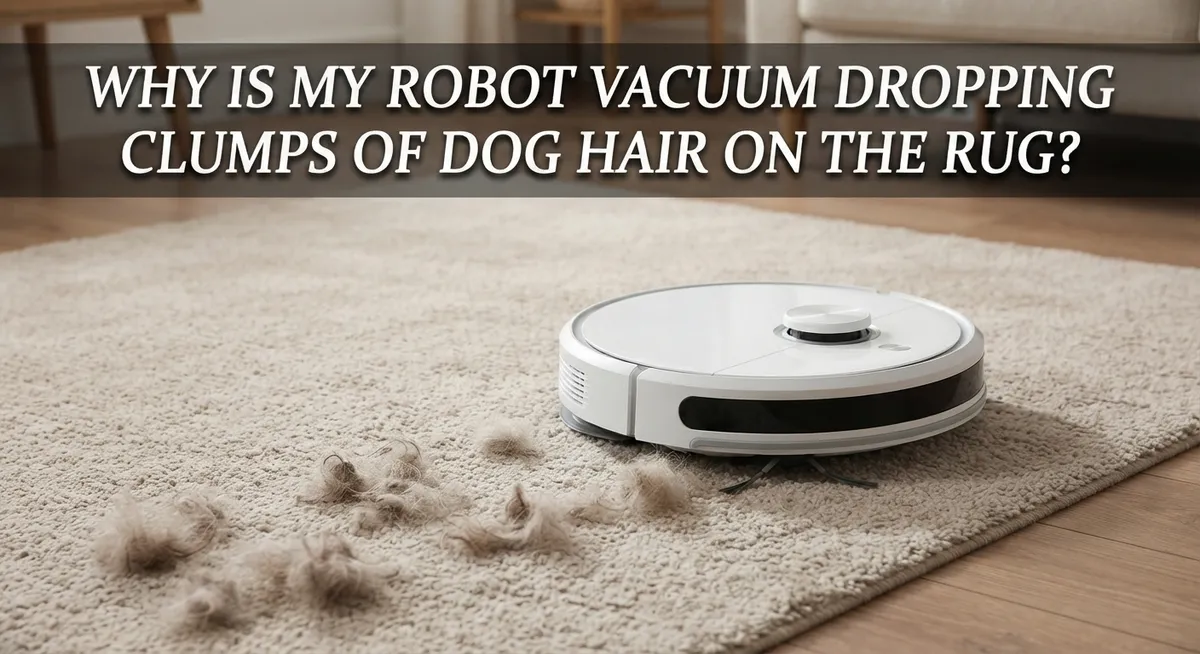
Do you love your robot vacuum but hate the hairy surprises it leaves behind? You turn it on, expect a clean rug, and instead find clumps of dog hair scattered everywhere.
This is a common problem for pet owners. Your vacuum picks up hair, but then it drops it right back down. It feels like the machine is teasing you.
The good news is this issue usually has a simple explanation. In most cases, a dirty filter is the real culprit. Static cling and dry air can also make hair stick together in odd ways.
In a Nutshell
- Dirty filters are the top reason your vacuum drops hair clumps. Clean them at least twice a week if you have pets.
- Dry air causes static cling. Hair sticks to the brush or wheels instead of going into the bin.
- A broken fan motor can also cause this issue. The plastic propeller inside can crack or stop spinning.
- Weak suction means your vacuum picks up hair but cannot pull it all the way into the bin.
- Check your filter, brush roll, and motor regularly. This helps you catch problems early.
- Adding a bit of humidity to your home can reduce static and stop hair from clumping on your rug.
- Most of the time, this problem has an easy fix. A little regular care keeps your vacuum working like it should.
How Robot Vacuums Are Supposed to Handle Pet Hair
Robot vacuums work by using suction to pull dirt and hair into a collection bin. The motor creates airflow that draws debris through a brush roll and into the dustbin. Pet hair requires extra power because it tangles easily and clogs filters faster than regular dust.
A healthy robot vacuum should pick up hair smoothly and move it all the way into the bin without dropping it. The suction stays strong when the filter is clean and the motor works properly. When everything functions as designed, you won’t see hair clumps left behind on your rug.
Pet hair creates special challenges for these machines. Hair wraps around brush rolls and blocks airflow paths. It also sticks to filter fibers more than regular dust does. This buildup reduces suction power over time. The vacuum can scoop hair into small piles instead of pulling it into the bin when suction weakens.
Static electricity also plays a role in how robot vacuums handle pet hair. In dry homes, hair clings to itself and to the vacuum’s surfaces. This causes hair to bunch up rather than flow smoothly into the collection area. The machine physically pushes these clumps around instead of capturing them.
A properly maintained robot vacuum should handle pet hair effectively. This means cleaning filters regularly, checking the brush roll for tangles, and keeping the motor in good condition. The machine needs enough suction power to overcome hair resistance and pull debris all the way through the system.
Understanding these mechanics helps you spot problems early. When your vacuum drops hair clumps, something in this process has broken down. Identifying which part isn’t working lets you fix the issue quickly and get your rugs clean again.
Top Reasons Your Robot Vacuum Is Leaving Hair Clumps Behind
Your robot vacuum drops hair clumps for three main reasons. Understanding each one helps you fix the problem quickly.
Dirty filters are the number one culprit. When filters get clogged with pet hair and dust, suction power drops dramatically. Your vacuum still scoops up hair, but it cannot pull everything into the bin. Hair falls back onto your rug in clumps. Pet owners should clean filters twice weekly, not once monthly like the manual suggests.
Static electricity causes hair to stick together and cling to surfaces. Dry indoor air makes this worse. When humidity levels drop below 40 percent, pet hair becomes charged and clumpy. Your vacuum’s suction struggles against this electrical force. The hair refuses to move into the collection bin smoothly.
A broken fan motor creates serious problems. The fan blower pushes air through the system to move hair into the bin. If the plastic propeller cracks or breaks, airflow weakens. You will notice your vacuum scooping hair into piles instead of collecting it properly. This is not a filter issue you can fix by cleaning.
Check your filter first since it is the easiest problem to solve. Hold it up to light and look for dense buildup. If you see thick clumps of hair, cleaning time has arrived.
Next, check your home’s humidity level. Add a humidifier to dry rooms where your vacuum runs most often.
Finally, inspect the fan motor for visible damage. Listen for strange sounds during operation. A grinding noise suggests motor problems.
Most hair clump issues resolve with filter maintenance alone.
Filter Maintenance: The Most Common Culprit
Your robot vacuum’s filter works like the lungs of the machine. When it gets dirty, suction drops dramatically. Hair clumps fall back onto your rug because the vacuum cannot pull them all the way into the bin.
Pet owners should clean filters twice per week. This is the single most important maintenance task. If you only have one pet, clean the filter at minimum once weekly. Skipping this step almost always leads to hair dropping problems.
Here is how to clean your filter properly. First, remove the filter from your vacuum. Tap it gently over a trash can to release loose hair and dust. You will see a cloud of debris fall out. This step alone makes a big difference.
Next, rinse the filter under running water. Use cool or lukewarm water only. Hot water can damage the filter material. Let water run through the filter until it runs clear. This removes trapped particles that block airflow.
Allow the filter to dry completely before reinstalling it. Never put a wet filter back into your vacuum. Moisture inside the machine causes problems. Most filters need two to four hours to dry fully. Some people keep a spare filter so one is always drying while the other works.
Mark your calendar with filter cleaning dates. Set phone reminders if that helps you remember. Consistent maintenance prevents most hair clump issues before they start.
A clean filter restores suction power immediately. Your vacuum will pick up hair efficiently again. This simple habit solves the problem for most pet owners.
Static Cling and Dry Air: An Overlooked Factor
Static cling happens when dry air reduces moisture in your home. Hair strands lose electrons and stick to surfaces instead of getting pulled into your vacuum’s bin. This creates those frustrating clumps on your rug.
Dry environments make static worse. Winter months, heated homes, and air conditioning all strip moisture from the air. When relative humidity drops below 30 percent, static electricity becomes a major problem for pet hair pickup.
The science is simple. Your robot vacuum uses suction to grab hair. Static electricity works against this process by making hair cling to the brush roll, walls of the collection bin, or even the rug itself. The hair clumps together and falls out as your vacuum moves.
You can fight static with humidity. Increasing moisture in your home reduces static buildup naturally. A humidifier in rooms where your vacuum operates most can make a real difference. Even opening windows on dry days helps. Target a humidity level between 40 and 50 percent for best results.
Monitor your home’s moisture levels during seasons when air is driest. Check how often your vacuum drops hair clumps. You’ll likely notice improvement within a few days of raising humidity.
This factor often gets overlooked because people focus on filter cleaning first. While filter maintenance matters most, static cling compounds the problem in dry climates. Addressing both issues together gives you the best chance of stopping those hair clumps.
Combining humidity control with regular filter cleaning creates the ideal solution. Your vacuum performs better, and your rugs stay cleaner.
How to Inspect and Test the Fan Blower Motor
Your robot vacuum’s fan blower motor moves air through the system to create suction. When this motor fails, your vacuum drops hair clumps instead of picking them up. Learning to inspect this part helps you catch problems early.
Start by removing the dust bin and locating the fan blower motor. This component sits inside the vacuum’s main body and looks like a small plastic chamber with a propeller inside. You’ll see it clearly once you open the access panel.
Look for visible cracks or damage on the plastic propeller. This fan blade breaks easily, especially when hair wraps around the shaft. Broken propellers cannot push air effectively, which means suction drops dramatically.
Spin the propeller by hand gently. It should rotate smoothly without resistance. If you feel grinding, hear clicking sounds, or notice the propeller won’t move, the motor has internal damage.
Check for hair wrapped around the motor shaft. Pet hair tangles around this area frequently and blocks the propeller from spinning. Remove any wrapped hair carefully with tweezers or a small brush.
Listen to your vacuum while it runs. A healthy motor makes a steady humming sound. Strange noises like grinding, squealing, or rattling suggest motor problems.
Inspect the motor housing for dust buildup. Thick dust layers prevent the motor from cooling properly and reduce performance. Use a dry cloth to wipe away accumulated dust gently.
Test suction after inspection by running the vacuum on a hard floor. Strong suction means the motor works fine. Weak suction indicates motor failure or blockages elsewhere in the system.
If the propeller is cracked or the motor won’t spin, you’ve found your problem. Motor replacement becomes necessary at this point. Combined with regular filter cleaning, a working motor prevents hair clumps from appearing on your rugs.
Step-by-Step Cleaning Routine to Prevent Hair Buildup
Your robot vacuum drops hair clumps because dirt and pet hair clog the internal pathways. A consistent cleaning routine prevents this problem from happening.
Start by setting a schedule. Mark specific days each week for maintenance tasks. Pet owners should perform filter checks every three to four days. This keeps your vacuum running at peak performance and stops hair from accumulating inside.
Empty the dust bin after every cleaning cycle. A full bin reduces suction power dramatically. When suction drops, your vacuum cannot pick up hair effectively. It pushes clumps around instead of collecting them.
Clean the brush roller twice weekly. Hair wraps around the bristles and blocks the spinning motion. Remove the roller from the vacuum. Use scissors or your fingers to pull away tangled hair. Wipe the roller with a damp cloth.
Check the air pathways inside the vacuum. Hair blocks the channels that move air through the system. Use a small brush or pipe cleaner to clear these passages. This step takes just five minutes but makes a huge difference.
Inspect wheels and sensors monthly. Dust buildup on sensors causes your vacuum to miss spots. Dirty wheels prevent smooth movement across your floor.
Create a simple checklist to stay organized. Write down each task and when you completed it. This prevents you from forgetting important steps.
Store your vacuum in a dry location. Moisture damages the motor and filters. Keep it away from direct sunlight and extreme temperatures.
Run your vacuum three to four times weekly if you have pets. Frequent cleaning prevents hair from building up inside the machine. This routine stops clumps from forming on your rug.
Mistakes That Make Pet Hair Problems Worse
Many pet owners make simple mistakes that turn a minor hair problem into a major one. Understanding these errors helps you fix the issue before it gets worse.
Skipping filter cleanings is the biggest culprit. Your filter traps hair and dust. When it gets clogged, suction drops dramatically. A weak vacuum can’t pick up hair clumps. Instead, it pushes them around your rug. The solution is straightforward: clean your filter twice weekly if you have pets.
Running your vacuum in very dry conditions makes static cling worse. Pet hair sticks to surfaces through static electricity. Your dry rug, furniture, and even the vacuum’s interior create perfect conditions for this. The hair doesn’t get pulled into the bin. Instead, it clings to the vacuum’s pathways and gets ejected in clumps.
Ignoring strange sounds or reduced suction early on allows motor damage to progress. Your fan blower motor might have a cracked propeller. Hair could be wrapped around the motor shaft. These problems start small but get worse quickly. Catching them early prevents complete motor failure.
Waiting too long between cleanings lets hair buildup accumulate inside. Pet hair tangles around brush rollers and gets stuck in air pathways. This creates blockages that prevent proper airflow. Your vacuum then struggles to maintain suction.
Storing your vacuum in humid areas can damage internal components over time. Moisture and pet hair together create rust and corrosion. This weakens the motor and reduces performance.
The key is consistency. Regular maintenance stops small problems from becoming big ones. Address filter cleaning, humidity levels, and motor inspection together for best results.
Troubleshooting Persistent Hair Clumping Issues
Hair clumps on your rug mean something inside your vacuum isn’t working right. The good news is that most causes are fixable with basic maintenance.
Filter clogs are the main culprit. When your filter gets packed with pet hair and dust, air can’t flow properly through the system. This weak suction causes the vacuum to push hair around instead of picking it up. Clean your filter twice weekly if you have dogs or cats. Once weekly is the bare minimum.
Static electricity plays a bigger role than most people realize. Dry air makes pet hair stick together and cling to surfaces. Hair that should get sucked up instead clumps and falls back onto your rug. Increasing humidity in your home helps reduce this problem. Open windows on dry days or use a humidifier in rooms where your vacuum runs.
Your fan blower motor might be damaged. This motor creates the suction force that pulls hair into the bin. If the plastic propeller cracks or breaks, suction drops significantly. Listen for unusual grinding sounds while your vacuum runs. Reduced suction paired with strange noises suggests motor trouble.
Check your vacuum’s condition regularly. Remove the dust bin and look inside the motor housing for hair wrapped around the shaft. Spin the propeller by hand gently to feel for resistance. Hair tangles reduce motor efficiency and create weak suction.
Combine these fixes for best results. Clean your filter consistently, maintain proper humidity levels, and inspect the motor monthly. This three part approach stops most hair clumping problems before they start. Your vacuum will pick up pet hair effectively and keep your rugs clean.
Final Thoughts
Dog hair clumps on your rug happen for simple reasons. Your vacuum needs regular care to work well. Most problems trace back to a dirty filter or low humidity.
Filter maintenance matters most. Clean your filter twice a week if you have a dog. This single habit prevents most hair clumping issues.
Dry air makes static cling worse. Hair sticks together instead of moving into the dust bin. Adding moisture to your home can reduce this problem.
Sometimes the issue runs deeper than cleaning schedules. A broken fan blower motor cannot create enough suction. This lets hair pile up instead of getting sucked away.
Check your vacuum’s motor if cleaning doesn’t fix the problem. A cracked plastic propeller often causes this failure. This part wears out over time with heavy pet hair use.
Regular pickup performance depends on several working parts together. Your filter, fan motor, and humidity levels all play a role. Neglecting any one of these leads to hair clumps on your floor.
Think about your daily routine with your vacuum. Are you cleaning the filter often enough? Is your home too dry for good suction?
Small changes make a big difference here. Clean filters more often during pet shedding seasons. Add a humidifier if your home feels dry.
Watch for early warning signs too. Reduced suction or strange noises mean trouble ahead. Catching motor issues early saves you from bigger repairs later.
Your vacuum can handle dog hair well with proper care. Consistency beats occasional deep cleaning every time. Follow these steps and your rug stays free of hair clumps.
Frequently Asked Questions
Why does my vacuum scoop hair into piles instead of picking it up?
Your vacuum is pushing hair around rather than collecting it. This happens when suction power drops or the fan blower motor weakens. A clogged filter blocks airflow and reduces pickup force. Inspect your filter first. If it looks packed with dust and pet hair, cleaning it should restore suction immediately.
A damaged fan blower motor also causes this problem. Look inside the motor housing for hair wrapped around the fan blades. Plastic propellers can crack or break over time with pet hair use.
Is dropping hair clumps a common problem with robot vacuums?
Yes, this happens frequently with pet owners. Robot vacuums struggle most in homes with multiple dogs or long-haired breeds. The issue becomes worse when filter maintenance gets skipped.
Most users report this problem within the first few months of heavy pet hair use. It’s not a defect. It’s a sign your vacuum needs more frequent cleaning than standard recommendations suggest.
How often should I clean the filter if I have dogs?
Clean your filter twice per week minimum when you have pets. Some pet owners clean it even more often depending on shedding levels.
A clogged filter is the primary reason your vacuum drops hair clumps. More frequent cleaning prevents suction loss before it starts. Check your filter every time you empty the dust bin.
Can dry air make hair clumping worse?
Yes. Static electricity builds up in low humidity environments. This makes dog hair stick together in clumps instead of spreading out for pickup.
Increase humidity in your home during dry seasons. Even a small humidifier in your vacuum’s operating area helps reduce static cling and improves pickup performance.

Hi, I’m Grace Bell, the founder of CleanFloorVault.com, where I personally test and review vacuum cleaners to help you find the perfect tool for a spotless home.