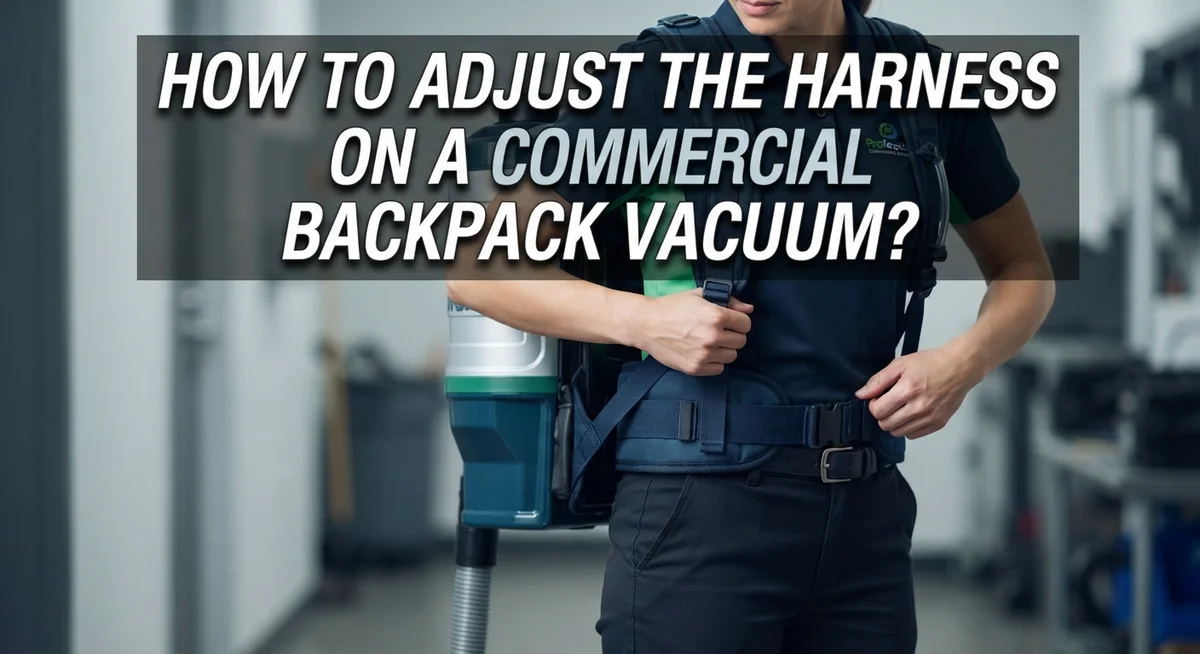
How To Adjust The Harness On A Commercial Backpack Vacuum?
A commercial backpack vacuum can make cleaning large spaces fast and easy. But comfort depends on one key thing. You must adjust the harness correctly before you start.
Many workers skip this step. They throw the vacuum on their back and start cleaning right away. This leads to back pain, poor balance, and even injury over time.
The good news is that adjusting a harness is simple. You only need a few minutes and sometimes a screwdriver. Once you learn the process, you can repeat it every time you switch users or vacuum models.
This guide will walk you through each step. We will cover how to loosen and tighten straps, position the waistbelt, and set the correct height. You will also learn about common mistakes that many people make.
In a Nutshell
- Loosen everything first. Start with loose shoulder straps and waistbelt before you put the vacuum on. This makes it easier to slide your arms through.
- Buckle the waistbelt every time. This step gets skipped often, but it keeps the weight off your shoulders. It also improves your balance while you clean.
- Adjust straps evenly on both sides. Uneven straps can twist the vacuum and strain your back. Check both sides match before you start working.
- Save shoulder straps for last. These straps control how far the vacuum sits from your back. Tighten them after everything else feels secure.
- Use a screwdriver for height settings. Most backpack vacuums need this tool to set the correct height. This helps the unit sit properly on your frame.
- Check your posture once fitted. A snug harness should feel balanced, not tight or loose. Good posture means less fatigue during long cleaning sessions.
Why Proper Harness Fit Matters
A properly fitted harness makes a real difference in how you work. When the harness sits correctly on your body, you experience less fatigue and strain during long cleaning sessions. Your shoulders and back stay protected because the weight distributes evenly across your frame.
Safety improves significantly with proper fit. A loose harness can shift during movement, causing you to lose balance or strain muscles unexpectedly. The vacuum might pull you off center, making it harder to control. A snug fit keeps everything stable and secure.
Work efficiency goes up too. When your harness fits well, you move more freely and confidently. You spend less energy fighting against an uncomfortable setup and more time cleaning effectively. Your body stays in better alignment, which means you can work longer without exhaustion.
Comfort is not a luxury; it’s a necessity. Workers who wear poorly fitted harnesses often experience shoulder pain, back aches, and neck tension by day’s end. Proper adjustment prevents these problems before they start. You can focus on your job instead of managing discomfort.
The waistbelt plays a crucial role that many people overlook. This belt transfers much of the vacuum’s weight to your hips and core, not just your shoulders. When you skip buckling it, all the load concentrates on your upper body. This creates unnecessary strain and fatigue.
Even strap adjustment matters more than you might think. Uneven straps cause your body to compensate, leading to posture problems and muscle imbalance. Taking time to adjust both sides equally prevents these issues.
Spending five minutes on harness adjustment saves you from hours of discomfort and potential injury. It’s the foundation for safe, efficient, and comfortable operation every single time.
Tools You’ll Need Before You Start
Before you start adjusting your commercial backpack vacuum harness, gather a few basic tools. You won’t need much, which makes this task straightforward and quick.
A Phillips head screwdriver is your main tool. Most commercial backpack vacuums use screws to secure height settings and strap attachment points. Keep it nearby so you can make adjustments without stopping midway through the process.
You’ll also want a flat head screwdriver on hand. Some models use flat screws instead of Phillips head, so having both ensures you’re ready for any harness configuration. This takes just seconds to grab before you start.
A measuring tape helps ensure even strap adjustment. You can measure from your shoulder to your hip on both sides to verify that straps sit at the same length. This prevents uneven weight distribution that causes discomfort.
Wear the clothes you’ll normally wear while working. Your regular work shirt or jacket matters because it affects how the harness sits on your body. Adjusting while wearing your actual work clothes gives you the most accurate fit.
Have a mirror available if possible. You can check that straps align properly across your shoulders and that the vacuum hangs at the correct angle against your back. This visual confirmation takes just a moment but prevents mistakes.
Keep your vacuum’s instruction manual nearby. Different models sometimes have slight variations in adjustment points or screw locations. Your manual shows exactly where adjustment screws are located on your specific machine.
Finally, find a clean, flat workspace. You need room to move your arms and turn around comfortably. A clear area lets you test the fit properly before you start your actual cleaning work.
Step-by-Step Guide to Adjusting the Harness
Start by loosening all harness components completely. This gives you room to work and prevents strain as you adjust. Loosen the shoulder straps, waistbelt, and any side straps until they hang freely.
Slide both arms through the shoulder straps. Position the vacuum on your back so it sits comfortably against your upper back. The unit should feel stable but not tight at this stage.
Fasten the waistbelt first and buckle it securely. This step matters more than most people realize. The waistbelt distributes the vacuum’s weight across your hips, reducing strain on your shoulders. Many workers skip this, which leads to discomfort and poor posture.
Now adjust the side straps evenly on both sides. Pull each strap with equal tension so the vacuum sits centered on your back. Uneven straps cause the unit to shift during work, which throws off your balance and efficiency.
Tighten the shoulder straps last. These straps determine how far the vacuum sits from your upper back. Pull them gradually until the unit feels snug but not restrictive. You should be able to fit one finger under each strap comfortably.
For height adjustments, use a screwdriver to access the adjustment points. Check your vacuum’s manual for exact locations. Make small adjustments and test the fit before making additional changes.
Once everything is tightened, stand up and move around. Bend forward slightly. Lift your arms. The vacuum should move with you smoothly without shifting. Your shoulders should feel supported, not strained. If anything feels off, loosen the straps and readjust. Getting the fit right takes a few minutes but pays off throughout your entire workday.
Getting the Shoulder Straps and Waistbelt Right
Getting your shoulder straps and waistbelt right is the foundation of a comfortable working experience. These two components work together to distribute the vacuum’s weight across your body safely.
Start by putting on the vacuum and fastening the waistbelt first. This belt carries most of the weight and should sit snugly around your hips, not your waist. The waistbelt prevents the vacuum from pulling down on your shoulders alone, which reduces fatigue and injury risk.
Once the waistbelt is buckled, adjust the side straps evenly on both sides. Tighten them gradually so the vacuum sits close to your back without cutting off circulation. You should be able to fit one finger under each strap comfortably.
Now focus on the shoulder straps, which determine how far the vacuum sits from your upper back. These straps should be snug but not tight. The vacuum should feel like an extension of your body, not a heavy weight pulling you backward.
Stand and move around to test the fit. Your posture should remain upright and natural. If you lean forward, the straps need more tightening. If you feel pressure points on your shoulders, loosen them slightly.
Check that both sides feel balanced. Uneven adjustment causes your body to compensate, leading to back and neck strain. Use a mirror to verify that the vacuum hangs straight.
For height adjustments on the harness frame itself, use a screwdriver to access the adjustment points. These typically allow you to raise or lower where the shoulder straps attach. Make small adjustments and test again until everything feels right.
Setting the Correct Height and Balance
Start by putting on your commercial backpack vacuum with all straps completely loose. Slide both arms through the shoulder straps and fasten the waistbelt first. This step is critical because the waistbelt distributes most of the weight to your hips, not your shoulders.
Once the waistbelt is buckled, adjust the side straps evenly on both sides. Pull each strap with equal tension so the vacuum sits centered on your back. Uneven adjustment causes the unit to pull to one side, which creates fatigue and reduces your work efficiency.
Now focus on the shoulder straps. These straps determine how far the vacuum sits from your upper back. Tighten them gradually until the unit feels snug but not restrictive. The vacuum should sit close to your body without pressing too hard into your shoulders.
Stand up and move around to test the fit. Walk a few steps and bend slightly at the waist. The unit should move with your body naturally. Check that both sides feel balanced and neither shoulder carries more weight than the other.
For height adjustments on the harness frame itself, use a screwdriver to access the adjustment points. These points allow you to raise or lower where the straps connect to the vacuum body. Adjust the height so the harness sits properly across your shoulders and doesn’t slip down your back during movement.
Take your time with these adjustments. A properly fitted harness reduces strain on your neck, shoulders, and lower back. You’ll notice improved comfort and better control of the vacuum throughout your workday. Always recheck your harness fit at the start of each shift.
Common Mistakes to Avoid
Many operators make simple mistakes that cause discomfort and reduce work efficiency. Understanding these errors helps you avoid them.
Operating without the waistbelt buckled is the most common mistake. The waistbelt supports most of the vacuum’s weight. Your lower back and shoulders suffer when you skip this step. Always buckle the waistbelt before you start working.
Adjusting straps unevenly creates balance problems. One tight strap and one loose strap pull the vacuum to one side. Your body compensates by leaning, which causes muscle strain. Take time to tighten both side straps equally. Use a measuring tape if needed to verify even adjustment.
Neglecting the final shoulder strap adjustment affects how the vacuum sits on your back. Many people tighten the side straps and stop there. The shoulder straps determine the distance between the vacuum and your upper back. Improper shoulder strap tension causes the unit to pull away from your body or press too close.
Skipping the fit test leads to problems during actual work. After adjusting everything, stand up and move around for a few minutes. Bend, twist, and simulate your normal work movements. The vacuum should feel stable and balanced. If it shifts or feels uncomfortable, make adjustments before you begin your job.
Adjusting straps while wearing different clothing causes issues later. Wear the same clothes you’ll use for work when you adjust the harness. Your regular work clothes affect how the straps fit. This simple step ensures your adjustments work properly when you’re actually on the job.
Troubleshooting Fit and Comfort Issues
When your commercial backpack vacuum feels uncomfortable or sits awkwardly, the harness likely needs adjustment. Common fit problems include shoulder pain, lower back strain, or the vacuum pulling away from your body. These issues signal that your straps aren’t positioned correctly for your body size and shape.
Start by identifying where the discomfort occurs. If your shoulders hurt, your shoulder straps are probably too tight or positioned too high. If your lower back aches, the waistbelt isn’t supporting enough weight. Pain on your sides means the side straps need evening out.
Loosen all components completely before making any changes. This gives you a clean starting point. Put on the vacuum and fasten the waistbelt first. The waistbelt should sit firmly on your hips, not your stomach. Buckle it securely every single time.
Next, adjust the side straps evenly on both sides. These straps should feel snug but not restrictive. You should fit one finger comfortably between the strap and your body. Uneven side straps create balance problems and cause one shoulder to work harder than the other.
Now focus on your shoulder straps. These determine how far the vacuum sits from your upper back. Tighten them gradually until the vacuum feels stable. Stand up and move around to test the fit before starting work.
If the vacuum still feels wrong, use a screwdriver to access the height adjustment points on the harness frame itself. Small changes here make big differences in comfort. Take your time with these adjustments. Rushing through them leads to problems during your shift.
Maintaining Proper Fit During Long Shifts
During long shifts, your harness fit can change as your body adjusts to the weight. Check your fit every two to three hours to catch problems early. A proper fit prevents fatigue and keeps you working safely.
Start with a quick comfort check. Feel where the vacuum sits on your shoulders and back. The straps should feel snug but not cutting into your skin. If you notice any pinching or rubbing, loosen that area slightly and retighten.
Pay attention to how the waistbelt feels. It should rest on your hips, not your stomach or lower back. If it slides up or down during work, stop and adjust it. A shifting waistbelt throws off your entire balance and increases strain.
Shoulder strain is common during extended use. If your shoulders feel sore, your shoulder straps may be too tight. Loosen them slightly and test again. The vacuum should sit about one to two inches from your upper back.
Check both sides for even tension. Run your fingers under each strap to feel if one side pulls harder than the other. Uneven straps cause you to lean to one side, which exhausts your muscles faster.
Wear the same clothing during adjustments that you’ll wear on the job. Different jackets or layers change how straps fit. If you switch between summer and winter gear, make separate adjustments for each outfit.
Take breaks to reset your straps. Even small adjustments during a shift prevent major discomfort later. Your body position changes throughout the day as fatigue sets in. A quick tightening or loosening keeps everything balanced and comfortable.
Final Thoughts
Getting your harness right makes a real difference. It turns a heavy vacuum into a comfortable tool you barely notice.
Proper fit protects your body. It reduces strain on your shoulders, back, and hips. This matters if you work long shifts.
Take time before each shift to check your harness. A few minutes of adjustment saves hours of discomfort later.
Remember the basics we covered. Buckle your waistbelt every time. Keep your straps even on both sides. Adjust your shoulder straps last for the right fit.
Use a screwdriver when you need to change the height settings on the frame. This simple tool helps you get precise adjustments.
Don’t skip the fit test. Stand up and move around before you start working. This step catches problems early.
Your body changes throughout the day. What feels right in the morning might feel different by afternoon. Check your fit periodically during long shifts.
Small adjustments prevent big problems. Fixing a loose strap now stops shoulder pain later.
Clothing affects fit too. Always adjust your harness while wearing what you’ll actually work in.
Every operator is different. Your ideal fit might differ from a coworker’s setup. Trust your comfort level and adjust based on how the vacuum feels on your body.
Good harness habits become second nature with practice. Soon you’ll adjust straps quickly without much thought.
Comfort leads to better work. When your harness fits well, you focus on the job instead of fighting your equipment.
Take these tips seriously. Your shoulders and back will thank you after a full day of cleaning. Proper harness adjustment isn’t complicated. It just takes attention and a little time before you start each shift.
Frequently Asked Questions
Why does my commercial backpack vacuum feel uncomfortable after adjustment?
Uncomfortable fit usually means straps are either too tight or uneven. Check both shoulder straps to ensure they have equal tension. Uneven adjustment is the most common culprit. Loosen everything completely and start fresh. Make sure the waistbelt is buckled and sits snugly across your hips. This belt carries most of the weight, not your shoulders.
Should I adjust the harness while wearing my work clothes?
Yes, absolutely. Wear the exact same clothing during adjustment that you’ll wear on the job. Different shirt thicknesses change how the harness fits. Adjusting in light clothes but working in heavy clothing creates problems. Your body also changes throughout the day, so fit may feel different later in your shift.
What’s the correct order for adjusting all harness parts?
Start by loosening the shoulder straps and waistbelt completely. Slide your arms through the straps next. Then adjust the side straps evenly on both sides. Finish with the shoulder straps last. These determine how far the vacuum sits off your upper back. Use a screwdriver to access height adjustment points on the harness frame if needed.
Why do people forget to buckle the waistbelt?
The waistbelt is frequently overlooked but absolutely critical. It distributes the vacuum’s weight across your hips and lower back. Without it buckled, all weight transfers to your shoulders, causing rapid fatigue and soreness. Buckle it every single time before operating the vacuum.
Can I adjust my harness mid shift if something feels wrong?
Yes, small adjustments during your shift prevent major discomfort. Take a quick break and check where the vacuum sits on your shoulders and back. Feel the waistbelt tension. Even minor strap tweaks help you work more comfortably for the rest of your shift.

Hi, I’m Grace Bell, the founder of CleanFloorVault.com, where I personally test and review vacuum cleaners to help you find the perfect tool for a spotless home.