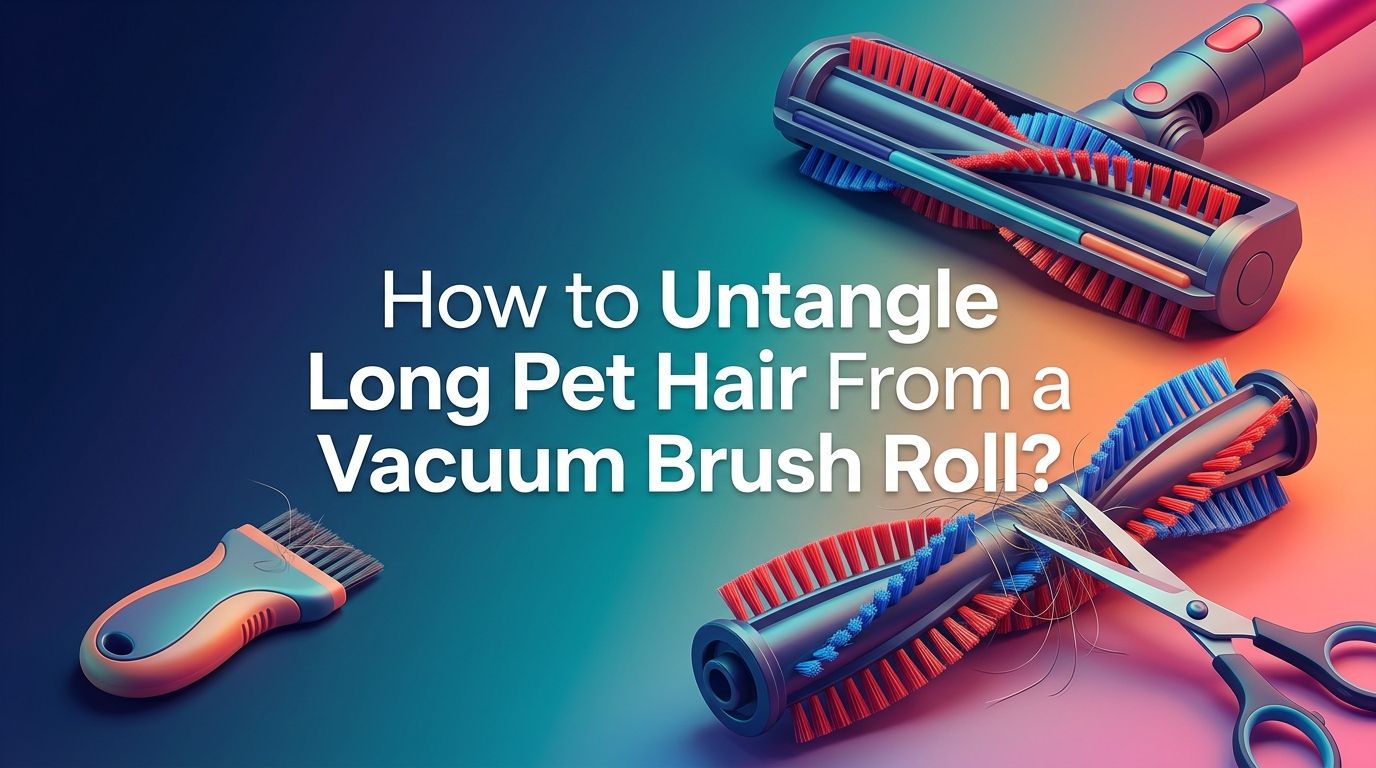
How to Untangle Long Pet Hair From a Vacuum Brush Roll?
Even the best “anti tangle” vacuum brush rolls can fail you. You bought a vacuum that promised tangle free cleaning, yet here you are, staring at a brush roll strangled by your pet’s long hair. You are not alone.
Millions of pet owners face this exact problem every week, and the frustration is real. That clump of fur wrapped tightly around the roller kills your vacuum’s suction, damages the belt, and makes cleaning feel pointless.
The good news? You can fix this in minutes with the right approach. This guide gives you clear, step by step methods to remove stubborn pet hair from your brush roll, prevent future buildup, and keep your vacuum running like new.
In a Nutshell
- Always unplug your vacuum first. Safety comes before everything else. A spinning brush roll can cause serious injury, so disconnect the power before you touch anything.
- A seam ripper is your best friend. This small sewing tool slides under wrapped hair and cuts it without damaging brush bristles. Scissors work too, but a seam ripper gives you more control.
- Anti tangle brush rolls still tangle. These rollers reduce hair wrap, but they do not eliminate it. Hair longer than 8 to 10 inches can still get caught in the bristles and end caps.
- Regular cleaning prevents major tangles. Pet owners should check and clean the brush roll every one to two weeks. This keeps the vacuum working at full suction and prevents motor strain.
- The right vacuum height setting matters. If the brush sits too low on the carpet, it presses hair into the bristles instead of letting suction pull it into the dust bin. Adjust the height to reduce tangling.
- Grooming your pet reduces the problem at the source. Brushing your dog or cat daily removes loose fur before it ends up on your floors and inside your vacuum.
How to Safely Prepare Your Vacuum for Hair Removal
Turn off the vacuum and unplug it from the wall outlet. This is the most important step. A brush roll can spin unexpectedly if the vacuum gets bumped or turned on by accident. Place the vacuum on a flat surface with the bottom facing up so you can see the brush roll clearly.
Grab a trash bag or old newspaper to catch the hair you pull out. It gets messy fast. You should also have your tools ready before you start. A seam ripper, small scissors, tweezers, and a flathead screwdriver are all you need. Some vacuum models let you pop out the brush roll without tools, so check your user manual first.
Pros: Safe and easy setup. Cons: Requires a few minutes of preparation before you begin the actual cleaning.
How to Remove the Brush Roll From Your Vacuum
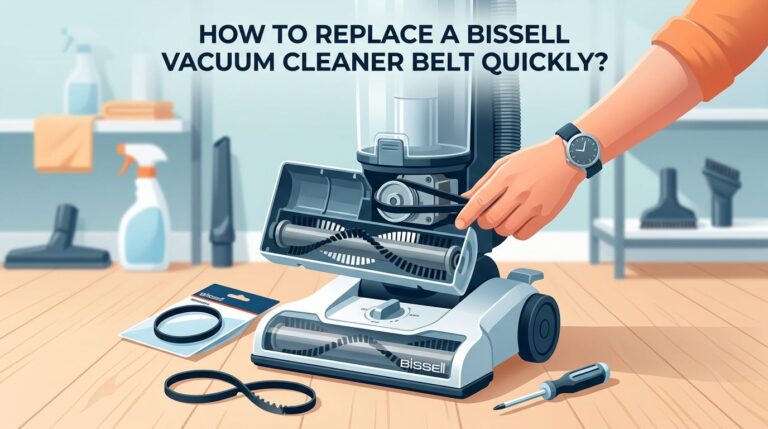
Most vacuums have a removable brush roll. Look for small clips, tabs, or screws on each side of the roller housing. Press the release tabs or unscrew the cover plate to access the brush roll. Slide the roller out gently.
Some brands make this easier than others. Many newer models have a tool free release system. Older vacuums may need a Phillips head screwdriver. Keep track of any small parts like end caps, bearings, or belt clips. Place them in a small bowl so nothing gets lost.
Once the brush roll is out, you can see the full extent of the hair damage. This gives you better access and makes the cutting and pulling process much faster than working with the roller still inside the vacuum.
Pros: Full access to the entire roller surface. Cons: Some models have tight or tricky release mechanisms that take patience to figure out.
How to Use a Seam Ripper to Cut Tangled Hair
A seam ripper is a small, inexpensive sewing tool with a sharp curved blade. It is the most recommended tool for this job by cleaning experts and pet owners alike. Slide the pointed end under the tangled hair along the length of the brush roll. Push forward gently and let the blade cut through the strands.
Work in small sections. Follow the lines between the bristle rows where hair collects most. The seam ripper cuts hair without slicing the bristles, which is a major advantage over using a knife or box cutter.
After cutting, pull the loosened hair away with your fingers or tweezers. You will notice the hair comes off in clumps once you break the tension. Repeat this process until the entire brush roll is clear.
Pros: Precise, safe, and does not damage bristles. Cons: Can be slow if the tangle is very thick or matted.
How to Use Scissors to Remove Stubborn Pet Hair
Scissors are the most common tool people grab first. Use small, sharp scissors with pointed tips for the best control. Cut along the length of the brush roll, slicing through the wrapped hair carefully. Avoid cutting into the bristles themselves.
Hold the brush roll steady with one hand and cut with the other. Make shallow cuts rather than deep ones to avoid nicking the roller surface. Once you cut through the top layer, the hair below usually loosens and pulls free.
For very tight tangles near the end caps, angle the scissors sideways to reach the narrow gap. Hair loves to hide in these tight spots, and clearing them is important for smooth rotation.
Pros: Fast and readily available in most homes. Cons: Risk of cutting bristles or nicking the roller if you are not careful.
How to Clean Hair From the End Caps and Bearings
Most people focus on the main roller surface and forget the ends. Hair builds up around the end caps and bearing housings over time, and this is often the real reason a brush roll stops spinning properly.
Pop off the end caps if your model allows it. Use tweezers or a thin tool to pull out the wound hair from around the bearing shaft. This area collects a surprising amount of tightly packed hair that you cannot see from the outside.
Wipe the bearings with a dry cloth. Do not use water or oil on the bearings unless your user manual says to. A clean, dry bearing spins freely and reduces strain on the vacuum motor.
Pros: Restores full rotation speed and reduces motor strain. Cons: End caps can be small and fiddly to remove and reattach.
How to Wash and Dry the Brush Roll After Cleaning
Some brush rolls can be rinsed with water after you remove the hair. Check your user manual to confirm your roller is washable. If it is, hold it under warm running water and gently rub the bristles to remove dust and fine debris.
Do not use soap unless the manual says it is safe. Soap residue can attract more dirt and hair. After rinsing, shake off the excess water and let the brush roll air dry completely. This usually takes 12 to 24 hours depending on the humidity.
Never put a wet brush roll back into your vacuum. Moisture trapped inside can cause mold, bad smells, and damage to the motor. Place the roller on a clean towel in a well ventilated area until it is bone dry.
Pros: Deep cleans the roller and removes fine dust. Cons: Long drying time means your vacuum is out of service for a day.
How to Reassemble the Brush Roll Correctly
Once your brush roll is clean and dry, it is time to put everything back together. Reattach the end caps first, making sure they click into place. Slide the roller back into the housing, aligning it with the belt if your vacuum uses one.
Make sure the belt sits in the center groove of the roller. A misaligned belt causes uneven spinning and can wear out quickly. Press the roller firmly into the locking clips or replace the screws you removed earlier.
Give the brush roll a quick spin by hand. It should rotate smoothly without resistance. If it feels stiff or makes a grinding noise, remove it and check for leftover hair or a misaligned end cap.
Pros: Quick reassembly if you kept track of all parts. Cons: Belt alignment can be tricky on some models and may require a few tries.
How to Prevent Pet Hair From Tangling in the First Place
Prevention saves you time and protects your vacuum. Brush your pet daily to remove loose fur before it hits the floor. Regular grooming reduces the amount of hair your vacuum has to deal with by a huge margin.
Adjust your vacuum’s height setting. A setting that is too low pushes hair into the bristles. Raise it slightly so the brush roll agitates the carpet without pressing too hard. This lets suction do the work instead of the bristles.
You can also vacuum more often with shorter sessions. Quick daily passes pick up loose hair before it accumulates into a thick layer. Less hair on the floor means less hair wound around your brush roll.
Pros: Reduces cleaning frequency and extends vacuum life. Cons: Requires a consistent daily routine that some pet owners may find hard to maintain.
How to Use a Dryer Sheet to Reduce Static Buildup
Static electricity makes pet hair cling to the brush roll. Rubbing a dryer sheet over the brush roll after cleaning reduces static and helps hair pass into the dust bin instead of wrapping around the bristles.
Some pet owners also spray a light mist of a 50/50 water and fabric softener mix on the roller. This coats the bristles with a thin anti static layer. Use this method sparingly so you do not leave a heavy residue that attracts dirt.
This trick works best as a preventive step after a thorough cleaning. It will not fix a badly tangled roller, but it can slow down future hair accumulation between deep cleans.
Pros: Simple, cheap, and effective at reducing static cling. Cons: Needs to be reapplied after every cleaning session for best results.
How to Know if Your Brush Roll Needs Replacement
Sometimes cleaning is not enough. A brush roll with worn down or melted bristles cannot clean carpets properly, no matter how free of hair it is. Check the bristle tips. If they look flat, frayed, or unevenly worn, the roller needs replacing.
Also inspect the roller body for cracks or warping. A damaged roller vibrates during use and can harm the vacuum’s internal parts. Most manufacturers sell replacement brush rolls that you can install yourself.
The drive belt should also be checked at the same time. A stretched or cracked belt slips on the roller and causes poor performance. Replacing both the roller and belt together is a smart move if your vacuum is more than two years old.
Pros: A new brush roll restores full cleaning power. Cons: Replacement rollers cost money, and finding the right part for your model can take some research.
How to Maintain Your Vacuum on a Regular Schedule
A quick maintenance routine keeps hair tangles under control. Check the brush roll every one to two weeks if you have pets. A fast visual inspection takes 30 seconds and tells you if cleaning is needed.
Empty the dust bin after every use. A full bin reduces suction, which forces the brush roll to work harder and trap more hair. Clean or replace your vacuum’s filters once a month to maintain strong airflow throughout the system.
Keep a small cleaning kit near your vacuum. A seam ripper, tweezers, and a screwdriver stored in a zip bag make maintenance easy and fast. You are far more likely to clean the brush roll regularly if the tools are always within reach.
Pros: Extends the life of your vacuum and maintains strong suction. Cons: Requires building a consistent habit, which takes a few weeks of effort.
How to Choose the Right Vacuum Settings for Pet Hair Homes
Your vacuum’s settings affect how much hair tangles on the roller. Use the correct height setting for your floor type. Carpet requires a lower setting than hard floors, but going too low creates unnecessary friction and hair wrapping.
Turn off the brush roll when vacuuming hard floors. Most pet hair on hard surfaces can be picked up with suction alone. Running the brush roll on tile or hardwood just flings hair around instead of collecting it.
If your vacuum has a “pet mode” or a specific suction level for pet hair, use it. These settings are tuned to handle fur efficiently. They often increase suction power while reducing brush roll speed, which limits the amount of hair that wraps around the roller.
Pros: Optimizes vacuum performance for pet hair. Cons: Not all vacuums have adjustable settings or pet specific modes.
Frequently Asked Questions
How often should I clean pet hair from my vacuum brush roll?
Pet owners should check and clean the brush roll every one to two weeks. If you have multiple pets or a heavy shedding breed, you may need to clean it weekly. Regular checks prevent major tangles and keep suction strong.
Can I use a razor blade to cut hair from the brush roll?
You can, but it is risky. A razor blade can easily cut into the bristles, gouge the roller surface, or slip and cut your fingers. A seam ripper or small scissors give you better control and are much safer options.
Why does my anti tangle brush roll still get tangled?
Anti tangle brush rolls reduce wrapping, but they do not stop it completely. Hair longer than 8 to 10 inches can still wind around the bristles and end caps. These rollers work best with short to medium length hair and need regular cleaning to stay effective.
Will tangled hair damage my vacuum motor?
Yes. A heavily tangled brush roll creates resistance that strains the drive belt and motor. Over time, this can cause the belt to snap or the motor to overheat. Keeping the roller clean protects your vacuum’s motor and extends its lifespan.
Is it safe to wash my vacuum brush roll with water?
It depends on your vacuum model. Some brush rolls are designed to be rinsed under water, while others are not. Always check your user manual before washing. If you do rinse the roller, let it dry completely for 12 to 24 hours before reinstalling it.
What is the best tool to remove hair from a vacuum roller?
A seam ripper is widely considered the best tool for this job. It slips under tangled hair and cuts it without damaging the brush bristles. Scissors and tweezers are also useful, but the seam ripper offers the best combination of safety and precision.

Hi, I’m Grace Bell, the founder of CleanFloorVault.com, where I personally test and review vacuum cleaners to help you find the perfect tool for a spotless home.