Why Is My Water Filtration Vacuum Smelling Like Mildew?
Your water filtration vacuum should leave your home smelling fresh. So when it starts pushing out a damp, musty odor, something is wrong. That mildew smell is more than annoying. It tells you that moisture and bacteria are growing somewhere inside the machine.
The good news is simple. You can fix this problem at home in most cases. You do not need a repair shop or expensive parts. You just need to find the source, clean it well, and dry it fully.
In this post, you will learn why your water filtration vacuum smells like mildew. You will also get clear, step by step solutions you can use today. Let us clear the air and bring back that clean scent.
In a Nutshell:
- Trapped moisture is the main cause. A mildew smell almost always means water sat too long inside the basin, filter, or hose. Bacteria and mold love damp, dark spaces.
- Empty the dirty water right away. Never leave dirty water in the basin overnight. Stagnant water is the number one reason your vacuum starts to stink.
- The HEPA filter often holds the odor. Smelly water can soak into the filter. Cleaning or replacing it usually solves the worst smells.
- Full drying matters more than washing. A clean but damp part will grow mildew again fast. Air dry every washed part for at least 24 hours.
- A vinegar or baking soda routine works well. These cheap, safe items kill odor without harsh chemicals. They are gentle on your machine and your lungs.
- Prevention beats cleaning. A few good habits after each use will stop the smell from ever coming back. Store parts dry and apart.
What Causes the Mildew Smell in a Water Filtration Vacuum
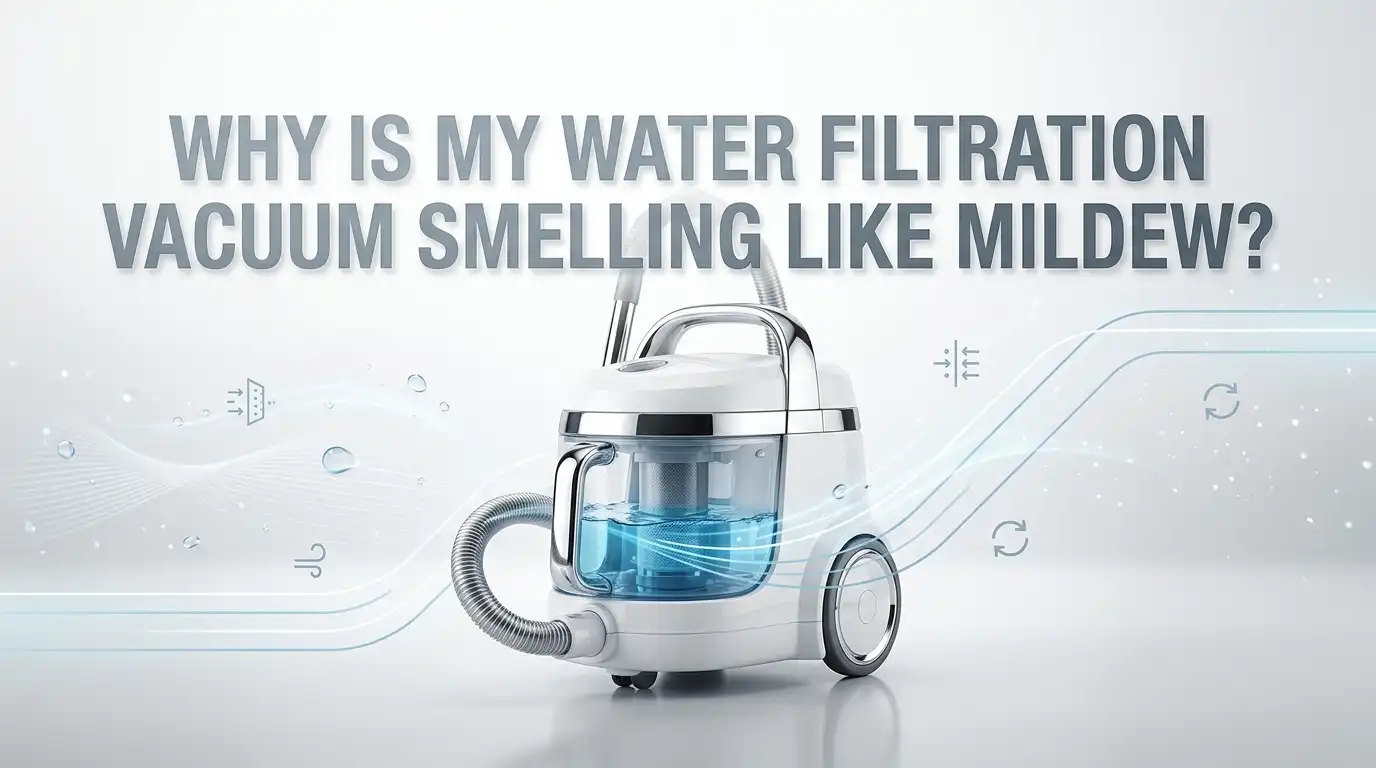
A water filtration vacuum traps dust in a basin of water. This design works great, but it also adds moisture to the machine. Moisture plus dirt plus warmth equals mildew. That is the simple formula behind the smell.
The most common cause is dirty water left sitting in the basin. When you skip emptying it, the water grows bacteria and mold. The smell then spreads to other parts.
Other causes include a damp filter, a wet separator, or trapped water in the hose. Pet hair, food bits, and skin cells feed the growth. Once mildew takes hold, it releases that sour, earthy odor every time you turn the machine on.
Why You Should Fix the Smell Quickly
A mildew smell is not just unpleasant. It can affect your health and your home. Mold spores can spread into the air every time you run the vacuum. People with asthma or allergies may feel the effects first.
Ignoring the smell makes the problem worse. Mildew grows fast in damp, dark spaces. A small odor today can become a deep, stubborn smell in a week. The longer you wait, the harder the cleaning job becomes.
There is also the risk to the machine itself. Standing water and mold can damage seals and filters over time. Fixing the smell early protects your investment. It also keeps your cleaning routine doing what it should, which is making your home healthier.
Step One: Empty and Clean the Water Basin
The water basin is the heart of the problem. Start your cleaning here. Empty the dirty water as soon as you finish vacuuming, every single time. Do not let it sit.
Take the basin to a sink. Pour out the water and rinse away the dirt. Then wash it with warm water and a few drops of dish soap. Use a soft brush to reach the corners where grime hides.
For a deeper clean, mix one part white vinegar with one part water. Pour it into the basin and let it sit for fifteen minutes. Vinegar kills odor causing bacteria. Rinse the basin well and dry it fully before you store it.
Pros: This is cheap, fast, and safe. It targets the main source of the smell.
Cons: It must be done after every use. Skipping it brings the smell right back.
Step Two: Clean or Replace the HEPA Filter
The HEPA filter often holds the worst of the odor. Smelly water can soak into it and stay there. A dirty filter will keep the smell alive even after you clean the basin.
First, remove the filter. Check the maker’s guide, since some HEPA filters can be washed and some cannot. Many HEPA filters can only be washed one time before they lose their power.
If your filter is washable, rinse it gently under cool water. Do not scrub it hard. Let it air dry for at least twenty four hours. If the smell stays or the filter looks damaged, replace it.
Pros: Cleaning the filter often removes the deepest smells. A new filter restores full performance.
Cons: Washable HEPA filters have limited washes. Replacement filters cost money, and over washing reduces filtering power.
Step Three: Wash the Separator Unit
The separator spins fast to fling dirt into the water. Over time, grime and moisture build up inside it. This buildup grows mildew and adds to the smell.
Remove the separator from your machine. Most water filtration vacuums let you take it out by hand. Rinse it under warm running water to clear loose dirt. Use a small brush to clean between the blades or fins.
For stuck on grime, soak the separator in warm soapy water for ten minutes. A vinegar soak also helps with odor. Rinse it well and shake off the extra water. Let it dry completely before you put it back.
Pros: A clean separator improves both smell and suction. It removes a hidden source of mold.
Cons: This part dries slowly. Rushing the drying step undoes your work.
Step Four: Dry Every Part Fully Before Storing
Drying is the step most people skip. A clean but damp part will grow mildew again within hours. This is why the smell keeps coming back for so many people.
After washing, set each part in a warm, well aired room. Place them near a window or a fan to speed up drying. Let them sit for a full twenty four hours when you can.
Do not put parts in direct heat like an oven or hair dryer on high. Strong heat can warp plastic and damage filters. Air drying is slower but much safer for your machine.
Pros: Full drying stops mildew at the root. It costs nothing and uses no chemicals.
Cons: It takes time and patience. You cannot rush this step if you want lasting results.
Step Five: Use a Vinegar Treatment for Deep Odors
Sometimes the smell hides deep inside the machine. A vinegar treatment reaches places a cloth cannot. White vinegar is a natural, safe odor killer. It breaks down the bacteria that cause the musty smell.
Fill the water basin with clean water. Add about one cup of white vinegar. Run the vacuum for ten minutes so the mix moves through the system. The vinegar passes over the inner parts and neutralizes odors.
When done, empty the basin and rinse it. Then run the machine briefly with plain water to clear the vinegar smell. Let all parts dry fully afterward.
Pros: This is a cheap, deep clean with no harsh chemicals. It reaches hidden parts.
Cons: The vinegar smell lingers for a short time. Some people dislike the scent during use.
Step Six: Try Baking Soda for Stubborn Smells
Baking soda is a gentle odor absorber. It pulls smells out of surfaces instead of just covering them. Use it when vinegar alone does not finish the job.
Sprinkle a small amount of baking soda into the empty, dry basin. Let it sit for a few hours or overnight. The powder soaks up trapped odor molecules. Then wipe or rinse it out.
You can also add a spoonful of baking soda to your water basin during a short cleaning run. It freshens the inside as it moves through. Always rinse well after to avoid powder buildup.
Pros: Baking soda is safe, cheap, and easy to find. It absorbs odor rather than masking it.
Cons: It works slowly and may need repeating. Heavy buildup can clog small openings if you use too much.
Step Seven: Clean the Hose and Attachments
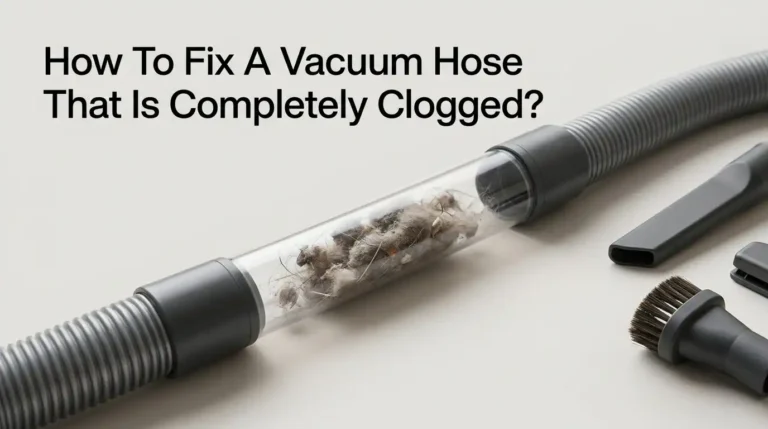
The hose and attachments often hide trapped water and debris. Moisture in a curled hose has nowhere to go. This makes the hose a perfect spot for mildew to grow.
Remove the hose from the machine. Run warm water through it to flush out dirt. Hang the hose straight so water drains out completely. A bent hose traps moisture and stays damp.
For the attachments, soak them in warm soapy water. Use a brush to clean the inside of narrow tools. Rinse everything and let it air dry fully. Check for any clogs while you clean, since trapped debris adds to the smell.
Pros: This clears a common hidden odor source. It also improves airflow and suction.
Cons: Hoses dry slowly and are easy to forget. Stored damp, they will smell again.
Step Eight: Check for Mold You Cannot See
Sometimes you clean everything and the smell stays. This often means mold is growing in a spot you cannot easily reach. Hidden mold needs a closer look.
Shine a flashlight into the basin, separator housing, and hose ports. Look for dark spots, slime, or a fuzzy film. These are clear signs of mold growth.
If you find mold, clean the area with a vinegar solution or a mild bleach mix. Use one part bleach to ten parts water for tough spots. Wear gloves and work in a well aired room. Rinse thoroughly so no cleaning product stays behind. If mold keeps returning, the part may need replacing.
Pros: This finds the true root of a stubborn smell. It protects your health.
Cons: Bleach must be handled with care. Hidden mold can be hard to fully remove.
How to Prevent the Mildew Smell from Returning
Prevention is easier than cleaning. A few small habits will keep your vacuum fresh for good. The golden rule is simple. Never store the machine with water inside.
After each use, empty the basin and rinse it. Wipe it dry with a cloth. Store the basin separate from the main unit so air can reach all sides. This stops moisture from getting trapped.
Let the filter and separator dry before you store them. Keep your vacuum in a dry, cool place, not a damp basement or closet. Run a clean water cycle now and then to rinse the inside. These easy steps stop mildew before it starts.
Pros: Prevention saves time and keeps the machine healthy for years.
Cons: It requires steady habits. One skipped cleaning can let the smell creep back.
When to Call a Professional or Replace Parts
Most mildew smells respond to good cleaning. But sometimes the problem runs deeper. Know when home fixes are no longer enough.
If you have cleaned every part and the smell still returns, a part may be damaged. A cracked seal or worn filter can hold odor that no cleaning removes. In that case, replacing the part is the smart move.
A burning smell mixed with mildew is a warning sign. This may point to a motor problem, not just mold. Turn off the machine and have a technician check it. Do not keep running a vacuum that smells like burning. Safety comes first when you are unsure about the cause.
Frequently Asked Questions
Why does my water filtration vacuum smell like mildew after just one use?
This usually means dirty water sat in the basin too long. Even a few hours of standing water can start the smell. Empty and rinse the basin right after every use to stop this. Make sure all parts dry fully before storing.
Can I run my water filtration vacuum with vinegar in the basin?
Yes. A mix of one cup white vinegar and clean water is safe for most machines. Run it for about ten minutes, then rinse with plain water. Vinegar kills the bacteria that cause the musty smell. Always check your maker’s guide first.
How often should I clean my water filtration vacuum?
Empty and rinse the basin after every use. Clean the separator at least once a year. Check the HEPA filter every couple of years or sooner if it smells. Regular care prevents most odor problems before they begin.
Is the mildew smell from my vacuum dangerous to breathe?
It can affect people with allergies or asthma. Mold spores may spread into the air when you run the machine. The risk is usually small, but it is best to fix the smell quickly. Clean the machine and air out the room.
Can a damp HEPA filter cause the smell?
Yes, very often. A wet filter is a perfect home for mold. Always dry your filter fully before you reinstall it. If the filter still smells after washing, replace it. Most HEPA filters can only be washed one time.
Will baking soda harm my water filtration vacuum?
No, baking soda is safe when used in small amounts. It absorbs odor without damaging parts. Avoid using too much, since heavy buildup can clog small openings. Rinse the basin well after each baking soda treatment.
My vacuum still smells after deep cleaning. What now?
Look for hidden mold in the basin, separator, and hose. Use a flashlight to spot dark or slimy areas. If you find none and the smell stays, a part may be worn out. Replacing the filter or seal often solves the final smell.

Hi, I’m Grace Bell, the founder of CleanFloorVault.com, where I personally test and review vacuum cleaners to help you find the perfect tool for a spotless home.