
Why Is My Wet Dry Vacuum Blowing Dust Everywhere?
Your wet dry vacuum should pull dust in, not push it back out. So when a thick cloud of dust starts spraying across your clean floor, it feels like a cruel joke.
You wanted a tidy room. Instead, you got a snowstorm of fine particles settling on every surface. The good news is simple. This problem is common, and it almost always has an easy fix.
Most of the time, the cause is your filter. It might be missing, clogged, loose, or just too weak for the dust you are picking up. Once you find the real reason, you can stop the mess in minutes.
In a Nutshell
- The filter is almost always the problem. A wet dry vacuum that blows dust is sending you a clear message. Your filter is missing, clogged, torn, or loose. Check it first, every single time.
- Fine dust needs a fine filter. Standard filters cannot trap drywall dust, cement powder, or sawdust. These tiny particles slip right through and shoot out the exhaust. You need a finer filter or a collection bag.
- A loose or damaged filter is useless. Even a brand new filter fails if it does not seat correctly. A small gap lets dust bypass the filter completely. Snap it on tight and inspect it for cracks.
- Wet mode and dry mode are different. Running your vacuum without the dry filter after sucking up water is a top mistake. Always reinstall the filter before dry pickups.
- Prevention beats cleaning. Shake the filter out after each use. Use a filter bag for fine dust. A clean filter lasts years and keeps your air clear.
- Check the exhaust port and seals last. If the filter checks out, look at gaskets, the drum seal, and the blower port for leaks or misuse.
What Causes a Wet Dry Vacuum to Blow Dust Out the Back
Your wet dry vacuum works by pulling air through a filter. The filter traps dust and dirt. Clean air then passes out through the exhaust port. When dust blows out the back, that air is not getting filtered properly. Something in the system is broken or missing.
The most common cause is a filter problem. The filter could be clogged, torn, missing, or loose. Sometimes the dust is just too fine for the filter to catch. Other causes include a damaged seal, a wrong filter type, or a full drum forcing air past the filter.
Each of these issues has a clear fix. Once you understand the airflow path, the problem makes sense. The dust has to go somewhere, and if the filter fails, it goes back into your room. Let us check each cause one by one.
Check If Your Filter Is Missing or Installed Wrong
Start with the simplest cause. A missing filter is the number one reason a wet dry vacuum blows dust. Open the top of your vacuum. Most models use two clips to hold the lid in place. Lift it off and look inside.
You should see a pleated filter wrapped around a plastic cage. If the cage is bare, your filter is gone. Sometimes people remove the filter for wet pickup and forget to put it back. Without it, dry dust shoots straight through the motor and out the exhaust.
If the filter is there, check how it sits. It must seat fully against the top plate. A filter that leans or gaps lets dust slip past. Push it down firmly until it locks onto the center knob. A properly seated filter forms a tight seal that traps every particle. This quick check fixes the problem more often than any other step.
Inspect Your Filter for Clogs and Damage
If the filter is present and seated, look closer at its condition. A clogged filter cannot move air, so the dust gets forced past it. Hold the filter up to the light. If you cannot see light through the pleats, it is packed with dust.
Now run your fingers along the surface. Feel for tears, holes, or thin spots. A clogged filter that sits too long will eventually disintegrate and crumble apart. When that happens, you may find only the rubber end caps left inside.
Check the pleats carefully. Dust loves to pack deep into the folds. Even a filter that looks clean on the outside can be jammed inside. A damaged or worn filter will never trap dust again, no matter how clean it looks. If you spot any cracks or missing material, it is time to clean it or replace it. We cover both options next.
Clean Your Filter the Right Way
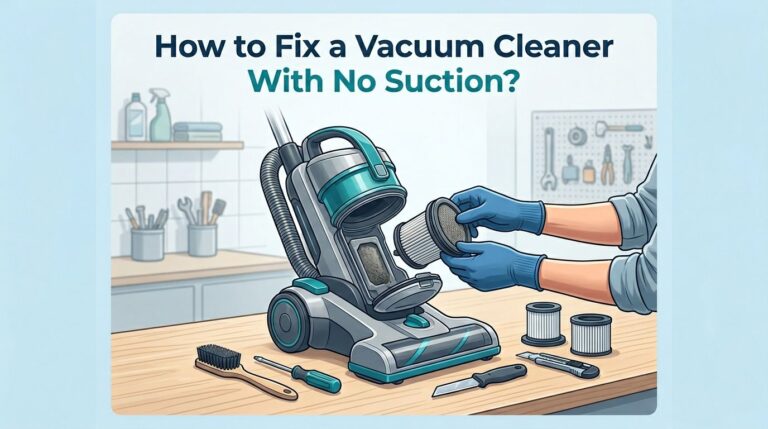
A dirty filter often just needs a good cleaning. Cleaning your filter can restore full suction and stop the dust in minutes. First, take the filter off the plastic cage. Carry it outside so you do not spread dust indoors.
Tap the filter gently against a hard surface to knock loose the dry dust. For deeper cleaning, rinse it with a garden hose. Spray from the inside out to push trapped dust away from the pleats. Never scrub the pleats hard, since rough handling tears the material.
Let the filter dry fully before you use it again. A wet filter clogs fast and grows mold. Dry it overnight in a warm spot.
Pros: Cleaning costs nothing and extends filter life for years. It works great for sawdust and general dirt.
Cons: Cleaning takes time and waiting for drying delays your work. Very fine dust like drywall powder often will not rinse out completely.
Replace the Filter When Cleaning Fails
Sometimes a filter is too far gone. A torn, crumbling, or permanently clogged filter must be replaced, not cleaned. Trying to reuse damaged material only sends dust back into your room. Look at your vacuum for the filter model number, often printed right on the unit.
Snap the old filter off the center frame. It may resist, since a tight hole grips the locking knob. Pull firmly and it will release. Slide the new filter onto the frame and press the center down until it clicks onto the knob.
Make sure the new filter sits flush against the top plate. Give it a tug to confirm it is locked. A fresh filter can make an old vacuum run like new again.
Pros: A new filter restores full filtering power instantly. It is far cheaper than buying a whole new vacuum.
Cons: Filters cost money and you must match the right model. Generic filters sometimes fit poorly and leak dust around the edges.
Upgrade to a Finer Filter for Fine Dust
Your filter might be clean, sealed, and perfect, yet dust still escapes. This means the dust is simply too fine for your current filter to catch. Standard wet dry vacuum filters are made for sawdust, dirt, and visible debris. They cannot trap super fine powders.
Drywall dust, cement dust, plaster, and fine sanding powder slip right through standard pleats. These tiny particles pass through the filter like water through a net. You need a filter rated for fine debris instead.
Look for a fine dust filter or a HEPA rated filter that fits your model. Higher rated filters trap smaller particles and stop the cloud. Matching the filter to the dust type solves problems that cleaning never could.
Pros: Fine filters trap dangerous dust like silica and protect your lungs. They handle jobs standard filters cannot.
Cons: Fine filters cost more and clog faster on heavy debris. They can also slightly reduce suction power during use.
Use a Filter Bag or Dust Bag for Extra Protection
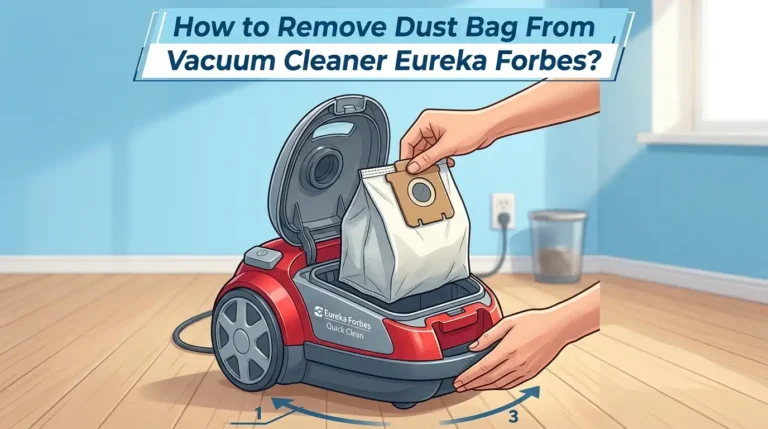
A filter bag adds a second layer of defense. A dust bag catches fine particles before they ever reach your main filter. It sits inside the drum and collects debris in a sealed paper or fabric pouch. This keeps your filter cleaner and stops dust from escaping.
Slide the bag over the inlet port inside the drum. Make sure it fits snugly so air flows through it. The bag traps the bulk of the dust, while the filter handles the rest. This combo works wonders for drywall and sanding jobs.
When the bag fills, you simply lift it out and toss it. No dust cloud, no mess.
Pros: Bags make emptying clean and easy with almost no airborne dust. They protect your filter and extend its life.
Cons: Bags are a recurring cost and you must buy the right size. A full bag reduces suction, so you need to swap them regularly.
Make Sure You Switched From Wet to Dry Mode Correctly
Wet dry vacuums do two jobs, and the switch between them matters. You must remove the filter for some wet pickups and reinstall it for all dry pickups. Many people suck up water, then forget to put the dry filter back. The next time they vacuum dust, it blows everywhere.
Check your owner manual for your model rules. Most foam wet filters cannot trap dry dust, so swapping them is essential. Running the wrong filter, or no filter, guarantees a dust storm.
Also make sure the drum is dry before dry pickup. A damp drum cakes dust into mud and clogs everything. The right filter for the right job stops most dust complaints before they start.
Pros: Using the correct mode protects your motor and keeps air clean. It also makes both jobs work better.
Cons: Switching filters takes a moment and you must store both safely. Forgetting the swap is an easy mistake to repeat.
Empty a Full Drum Before It Causes Problems
A packed drum disrupts airflow inside your vacuum. When the drum fills too high, debris can block the filter and force dust out the exhaust. Air needs room to flow from the inlet through the filter. A crowded drum chokes that path.
Open your vacuum and check the debris level. If it reaches the filter cage, it is too full. Dust piled against the filter clogs it instantly and pushes air around the seal. Empty the drum into a trash bag outside.
Wipe down the inside if dust coats the walls. Then reinstall a clean filter before you continue. Emptying the drum often is one of the easiest habits to keep dust under control.
Pros: Emptying is free and takes only a minute. It restores suction and prevents filter clogs at the same time.
Cons: Frequent stops to empty slow down big jobs. Emptying fine dust can release a small cloud if you are not careful.
Examine the Seals and Gaskets for Leaks
If your filter is perfect but dust still escapes, look at the seals. A worn or missing gasket lets unfiltered air leak out around the lid or hose. Even a tiny gap can release a steady stream of dust. Run your hand around the lid while the vacuum runs to feel for escaping air.
Check the rubber gasket where the lid meets the drum. A cracked or flattened seal breaks the airtight chamber your vacuum needs. Replace any gasket that looks worn, hard, or torn.
Also inspect where the hose connects to the drum. A loose fit leaks dust at the joint. A tight, sealed system forces all air through the filter, where it belongs. Pushing the hose firmly into the port often fixes a sneaky leak you never noticed.
Check the Exhaust Port and Blower Function
Many wet dry vacuums have a blower port that pushes air out hard. If your hose is plugged into the blower port instead of the suction port, the vacuum blows everything around. This is a simple mix up that creates instant chaos. Check which port your hose uses.
The suction port pulls air in. The blower port pushes air out for clearing leaves or debris. Plugging the hose into the wrong port turns your vacuum into a leaf blower. Move the hose to the correct inlet and the problem vanishes.
Also look at the exhaust vent itself. Dust caked around the vent suggests filter bypass. Knowing your ports prevents one of the most embarrassing and common dust mistakes. A quick look at the labels on your vacuum clears up any confusion fast.
How to Prevent Your Vacuum From Blowing Dust Again
Stopping future dust clouds is easier than fixing them. Regular filter care keeps your wet dry vacuum running clean for years. The best habit is simple. Shake out your filter every time you empty the drum. This stops dust from building up and clogging the pleats.
Use a filter bag for fine dust jobs like drywall or sanding. A bag catches the worst dust before it ever touches your filter. You can also slip a pre filter sock over the cartridge to trap big debris first.
Store your vacuum in a dry place to protect the seals and filter. Check the filter for damage before each big job. A few minutes of care saves you from a room full of dust later. Replace worn filters early instead of waiting for them to fail mid job.
Frequently Asked Questions
Why does my wet dry vacuum blow dust only with fine particles?
Standard filters are made for visible debris like sawdust and dirt. Fine dust such as drywall or cement powder slips right through the pleats. Upgrade to a fine dust filter or HEPA rated filter, and add a dust bag for the best results.
Can I run my wet dry vacuum without a filter?
You should only remove the filter for certain wet pickups, and only if your manual allows it. Never run dry pickup without the proper filter installed. Dust will blow straight through the motor and out the exhaust, coating your whole room.
How often should I clean my wet dry vacuum filter?
Clean the filter every time you empty the drum, or after each big job. Shaking off the dust regularly keeps the filter from clogging and tearing. For deep cleaning, rinse the filter with water and let it dry fully overnight before reuse.
Will a clogged filter damage my vacuum?
Yes, a clogged filter strains the motor and reduces airflow. Restricted airflow can cause the motor to overheat and shut down. It also forces dust past the filter, so cleaning or replacing it protects both your vacuum and your air quality.
My filter looks fine but dust still escapes. What now?
Check the seals, gaskets, and hose connections for leaks. A worn gasket lets unfiltered air slip out around the lid. Also confirm your hose is plugged into the suction port and not the blower port, which pushes air and dust outward.
Is it cheaper to clean or replace the filter?
Cleaning is free and works well for general dust if the filter is intact. Replace the filter only when it is torn, crumbling, or permanently clogged. A new filter still costs far less than buying a whole new vacuum, so replacement is worth it when needed.

Hi, I’m Grace Bell, the founder of CleanFloorVault.com, where I personally test and review vacuum cleaners to help you find the perfect tool for a spotless home.