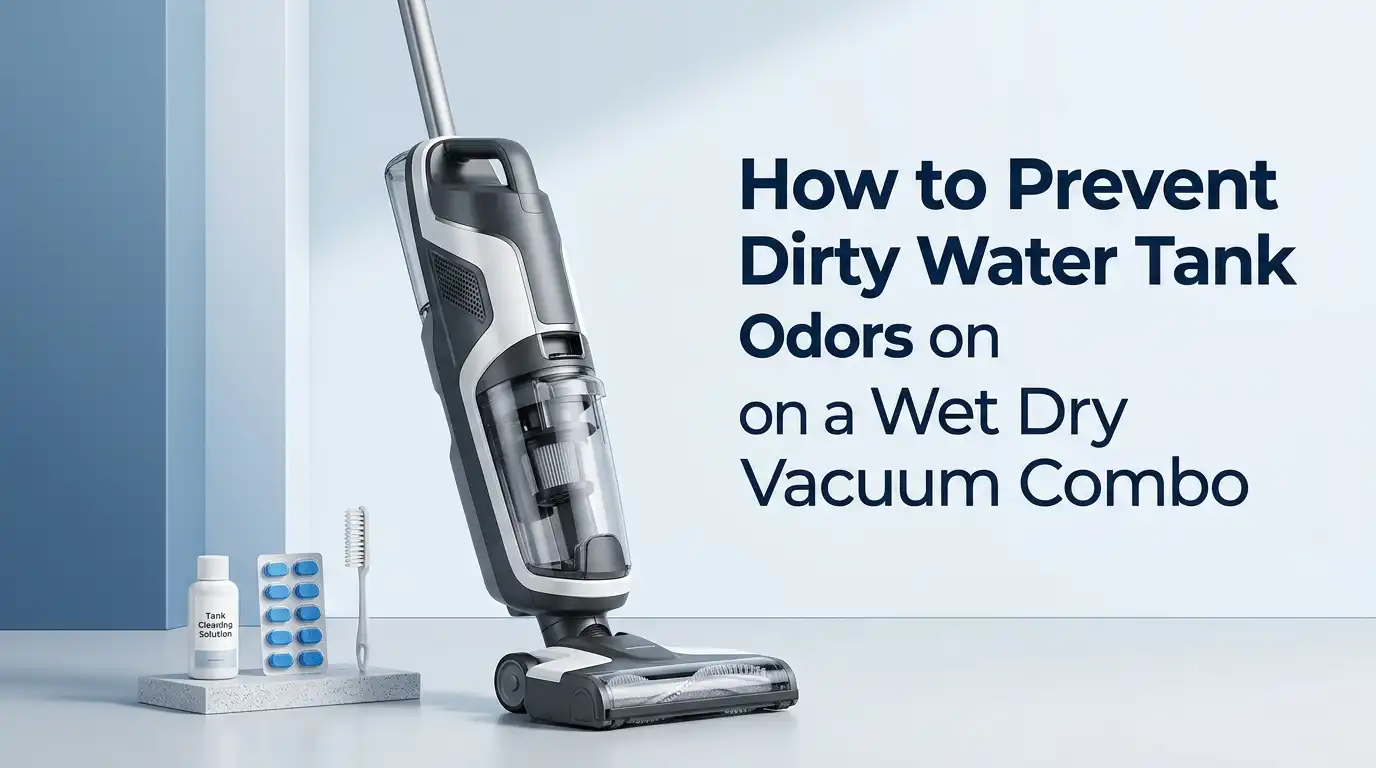
How to Prevent Dirty Water Tank Odors on a Wet Dry Vacuum Combo?
A wet dry vacuum combo can make floor cleaning fast and simple. Then the dirty water tank starts to smell, and the whole machine feels less pleasant to use.
That bad odor usually comes from a simple problem. Dirty water, hair, food bits, soap residue, and moisture stay trapped inside the tank and nearby parts for too long.
The good news is that this problem is usually easy to stop. You do not need a fancy routine. You need a clean routine. If you empty, rinse, dry, and check the right parts after each use, you can keep the tank fresh and the machine ready for the next mess.
Key Takeaways
- Empty the dirty water tank right after each use. This is the fastest way to stop odor before it starts. Dirty water sitting in the tank gives odor causing buildup more time to grow. Fast action matters more than deep cleaning once in a while.
- Rinse the tank, lid, strainer, and filter area with warm water every time. A quick rinse removes grime that plain emptying leaves behind. Warm water helps loosen film and debris so the smell has less chance to stick around.
- Drying is just as important as washing. A tank that looks clean can still smell if moisture stays inside. Air drying every removable part fully helps stop that damp, stale odor that many owners notice after only a few uses.
- Clean the brush roll and the chamber too. The tank is often not the only source of the smell. Hair, dirty foam, and wet debris can stay around the roller and splash path. If those parts stay wet, the odor can return to the tank again.
- Use only safe cleaning methods your machine can handle. Warm water and mild soap work for most machines. Some people use vinegar, but you should check your manual first. A strong cleaner can damage sensors, seals, or plastic parts.
- Build a short routine and follow it every time. The best odor fix is not a one time rescue. It is a habit. A five minute care routine after each cleaning session usually does more than a long scrub once a month.
Why the Dirty Water Tank Starts to Smell
Dirty water tank odor usually starts with trapped organic waste. Floor grime, dust, pet hair, food crumbs, and dirty water collect in one closed space. If that mix sits for hours, it starts to smell strong.
Moisture makes the problem worse. The tank, strainer, filter area, and lid can stay damp after cleaning. That damp film can hold leftover dirt even after you pour the water out. That is why a tank can smell bad even when it looks empty.
Another hidden cause is soap residue. Too much cleaning solution can leave a sticky layer inside the tank and around the brush path. That layer catches more dirt and becomes harder to rinse away. Pros: knowing the true cause helps you fix the right part. Cons: many people clean only the tank and miss the lid, filter, or brush chamber, so the smell returns fast.
Empty the Tank Right After Every Cleaning Session
The first rule is simple. Empty the dirty water tank as soon as you finish cleaning the floor. Do not leave it until later that night. Do not wait until the next day. Standing dirty water is the fastest path to odor.
Carry the tank to a sink or utility drain and pour it out right away. Remove any visible clumps of hair or debris before they stick to the walls. Then leave the tank open while you move to the next step. Fast emptying cuts down the time that odor can build.
Pros: this method is free, fast, and easy to repeat. It prevents most bad smells before they get strong. Cons: it only works if you stay consistent. If you forget even a few times, the odor can come back. A quick empty is the smallest habit in this guide, but it has the biggest impact.
Rinse the Tank with Warm Water the Right Way
After emptying, rinse the tank with warm water. Swish the water around the bottom, corners, and sides. Pour it out and repeat until the water runs clear. This quick rinse removes loose grime that creates odor later.
Pay attention to seams and grooves. Dirty water tanks often have corners where residue hides. If your tank has a removable top, rinse both pieces well. A soft cloth or small brush can help loosen the thin film that plain water leaves behind. Do not scrub so hard that you damage seals.
Pros: warm water is safe, simple, and works for daily care. It removes fresh buildup before it hardens. Cons: warm water alone may not remove older odor or sticky soap film. For that, you will need a more complete wash once or twice a week. Still, daily rinsing is the best base habit.
Clean the Lid, Strainer, Float, Basket, and Sensor Area
Many smells stay in the small parts, not the main tank. The lid, strainer, float, filter basket, and water sensor area can hold sludge and wet debris. If you skip those parts, the odor often returns after the next use.
Take the removable parts apart as your manual allows. Rinse each piece with warm water. Wipe the underside of the lid, clean around the float, and clear any trapped hair from the basket or screen. These small parts touch dirty water directly, so they need the same care as the tank itself.
Pros: this method attacks hidden odor pockets. It also helps the machine work better because sensors and floats stay cleaner. Cons: it takes a few more minutes and requires attention to detail. Still, this is one of the most useful fixes if your tank smells bad even after you rinse the main container.
Dry Every Part Fully Before You Put It Back
A clean but wet tank can still smell musty. After rinsing, place the tank and all removable parts where air can move around them. Let them dry fully before you put everything back together. This step matters more than many owners realize.
Turn the tank upside down on a towel rack or drying mat if needed. Leave the lid off. Set the strainer, filter screen, and other parts apart so trapped moisture can escape. If your machine has a filter that needs longer drying time, give it that full time. Moisture trapped inside closed plastic can create stale odor very fast.
Pros: air drying is safe and costs nothing. It helps stop both odor and damp buildup. Cons: it takes patience and a little counter space. If you rush reassembly, the smell often returns even after a good wash.
Clean the Brush Roll and Brush Chamber Too
The tank is only one piece of the odor problem. The brush roll and the chamber around it often hold dirty foam, hair, and wet debris. If that area smells, the machine can send the odor back into the clean tank area and the room.
Remove the brush roll if your machine allows it. Rinse it well and pull away wrapped hair. Wipe the brush chamber, the cover, and any splash path where dirty water travels. Let the brush roll dry fully before storing it. A wet roller left inside the machine can cause a musty smell on its own.
Pros: this method solves a very common hidden cause. It can improve both smell and cleaning performance. Cons: it takes extra time after each use. Some owners rely on automatic cleaning alone, but hand checking the roller area often makes a big difference.
Use the Self Cleaning Cycle but Do Not Stop There
Many wet dry vacuum combos have a self cleaning cycle. Use it. It can flush dirty water paths and rinse the brush area. That makes it a helpful part of odor prevention. Still, it should not replace manual care.
Run the self cleaning cycle after each session if your machine offers it. Then empty the dirty water tank right away. Rinse the tank and check the roller area after the cycle ends. If your machine also has a drying mode, let it finish fully. Self cleaning helps, but it cannot remove every bit of sludge from every part.
Pros: it saves time and keeps internal paths cleaner. It is great for daily maintenance. Cons: it can create a false sense of security. Owners sometimes skip tank washing and drying because the machine cleaned itself. Manual follow up is what stops odor from settling in.
Use the Right Amount of Cleaning Solution
Too much cleaning solution can leave residue in the tank and on internal parts. That residue catches dirt and can create a sour or stale smell over time. Using the right amount is a simple way to cut odor before it starts.
Follow the machine guide for the amount and type of solution. If your floors are only lightly dirty, resist the urge to add extra soap. Rinse the tank well after each use so leftover solution does not sit inside. More cleaner does not always mean a cleaner machine. A balanced mix usually rinses out better and leaves less film behind.
Pros: this fix is easy and protects the machine. It also helps reduce streaks and sticky buildup. Cons: if you already have heavy odor, changing solution amount alone will not solve it. You still need to wash and dry the dirty water parts well.
Pick a Safe Weekly Deodorizing Wash
If daily rinsing is not enough, do a weekly deodorizing wash. The safest choice for most machines is warm water and a small amount of mild dish soap. Wash the tank, lid, strainer, and basket, then rinse until no soap remains.
Some owners also use a diluted vinegar rinse, but you should use that only if your machine guide allows it. Strong cleaners can affect seals, plastic, or sensor parts. Avoid mixing different cleaners. Simple and safe beats strong and risky. The goal is to remove odor, not create a repair problem.
Pros of mild soap: gentle, easy to find, and effective on greasy film. Pros of a vinegar rinse, if approved: helpful for stubborn odor. Cons: soap can leave residue if not rinsed well, and vinegar may not suit every machine. Always choose safety first.
Store the Machine in a Way That Lets Air Move
Storage can make or break your odor control. If you put the machine away with moisture trapped inside, the smell can return before the next use. Good storage lets air move around the tank and brush area.
Store the vacuum in a dry place, away from a damp closet corner if possible. Leave the dirty water tank open or slightly vented if your model design allows it. Make sure the brush roll and cover are dry before storage. Airflow is a quiet but powerful part of odor prevention.
Pros: better storage needs no extra products and works every day. It supports all the cleaning steps you already do. Cons: some homes have limited space, and some machines look tidier when closed up. Still, if odor keeps returning, storage habits are often the missing piece.
Replace Filters or Worn Parts When Cleaning Stops Helping
Sometimes the smell stays because a filter, brush roll, or seal has absorbed too much grime over time. If you clean everything well and the odor still returns fast, check for parts that are old, stained, or slow to dry.
Look for signs such as a filter that stays dingy, a brush roll that smells even after washing, or a tank seal with trapped residue. Replace worn parts based on your machine guide and actual condition. A part that holds odor can keep infecting the rest of the machine with smell. Fresh parts can reset the whole system.
Pros: replacement can solve a stubborn issue quickly. It also helps performance. Cons: it costs money and should not be the first step. Clean and dry the machine first. Replace parts only when normal maintenance no longer fixes the problem.
Build a Five Minute After Use Routine
The easiest way to stay ahead of odor is to follow the same short routine every time. Keep it simple so you do not skip it. A good after use routine can take about five minutes once you get used to it.
Empty the tank. Rinse the tank and lid. Clean the strainer or basket. Check the float or sensor area. Run self cleaning if your machine has it. Remove hair from the brush roll. Leave all washed parts out to dry. This routine stops buildup before it becomes a deep cleaning project.
Pros: a short routine is realistic and easy to remember. It prevents rescue cleaning later. Cons: it feels repetitive at first. Still, this is the habit that keeps the tank from turning into the smelly part of your floor care routine.
What to Do If the Smell Is Already Strong
If the tank already smells strong, do a full reset. Take apart every removable dirty water part. Wash the tank, lid, strainer, basket, float area, and filter screen with warm water and mild soap. Rinse very well.
Next, clean the brush roll, brush cover, and chamber. Run the self cleaning cycle if your machine has one, then empty the new dirty water right away. Let every part dry fully before reassembly. If the odor remains, inspect filters and rollers for replacement. A strong smell usually means odor is sitting in more than one place.
Pros: this full reset often works in one session. It gives you a clean starting point. Cons: it takes more time than daily care. After you fix the smell once, the daily routine will help keep it from coming back.
Frequently Asked Questions
Can I leave dirty water in the tank for a few hours?
It is best not to. Even a few hours gives odor a chance to grow, especially in a warm room. Emptying the tank right away is one of the easiest ways to keep the machine fresh.
Is plain water enough to stop tank odors?
Plain warm water helps a lot for daily care. If the smell is already strong, a mild soap wash on the tank and removable parts usually works better. Rinse very well after washing.
Why does my tank still smell after I clean it?
The odor may be hiding in the lid, strainer, float, filter area, brush roll, or brush chamber. The tank is often not the only source. Drying problems can also cause the smell to return.
Should I close the tank and store the machine right away?
No. Let the tank and small parts dry fully first. Airflow matters. If you close the machine while parts are still damp, the smell can come back before the next cleaning session.

Hi, I’m Grace Bell, the founder of CleanFloorVault.com, where I personally test and review vacuum cleaners to help you find the perfect tool for a spotless home.