
How To Clear An Airflow Blockage Error On A Stick Vacuum?
Your stick vacuum stops mid clean. The lights flash. The motor pulses on and off. A small icon shows a blocked airway. This moment frustrates anyone who just wants a clean floor.
The good news is simple. Most airflow blockage errors are easy to fix at home. You do not need a technician. You do not need new parts. You need a few minutes and a clear plan.
This guide walks you through every step. You will learn where blockages hide. You will learn how to clean each part safely. You will learn how to stop the error from coming back.
In a Nutshell:
- An airflow blockage error means air cannot pass through your vacuum freely. The machine protects its motor by pulsing or shutting down. This is a safety feature, not always a breakdown.
- Start with the easy checks first. Empty the bin, clean the filter, and inspect the brush bar. These three steps fix most blockage errors in under ten minutes.
- Always switch off and unplug your vacuum before you open any part. Safety comes first. A spinning brush bar or live battery can cause injury.
- A wet filter is a common hidden cause. A washed filter must dry for at least 24 hours. A damp filter blocks airflow and triggers the error again.
- Check the wand, hose, and floor head with a flashlight. Small toys, socks, coins, and hair clumps often hide in these narrow paths.
- Regular cleaning prevents most future errors. A clean filter and an empty bin keep airflow strong and your vacuum happy for years.
What Does An Airflow Blockage Error Actually Mean?
An airflow blockage error tells you that air cannot move through your vacuum freely. Your vacuum needs a clear path for air to create suction. When dust, hair, or objects block that path, the motor works harder. The machine senses this strain and reacts.
Most stick vacuums show this error in two ways. The motor pulses on and off in short bursts. A warning light or icon flashes on the handle. This is a built in safety system. It stops the motor from overheating and burning out.
The error does not always mean a big problem. Sometimes a full bin or a dirty filter is enough to set it off. The machine cannot tell the difference between a sock in the wand and a clogged filter. It just knows the air is not flowing. Your job is to find and clear the cause.
Why Does Your Stick Vacuum Keep Showing This Error?
A stick vacuum shows a blockage error for several common reasons. Knowing the cause helps you fix it faster. The most frequent cause is a dirty or wet filter. Dust packs into the filter pleats and slows the air.
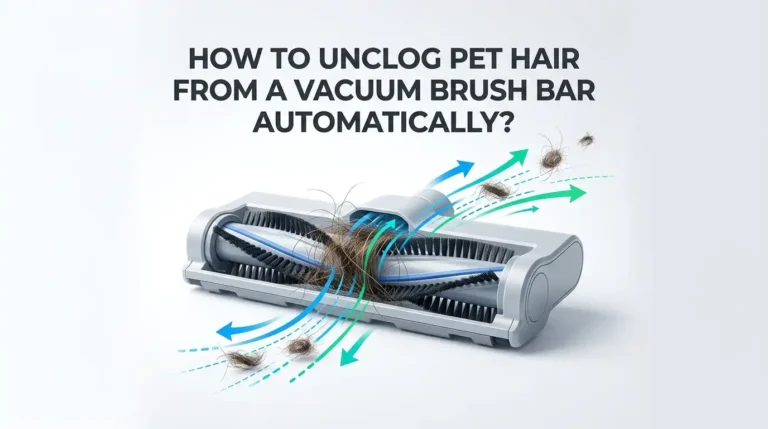
A full dust bin is another big culprit. When the bin overfills, air has nowhere to go. Hair wrapped around the brush bar also restricts airflow at the floor head. This happens often in homes with pets or long hair.
Objects stuck in the wand or hose cause sudden blockages. Coins, small toys, paper, and food scraps get trapped in narrow tubes. Sometimes the cyclone unit clogs with fine dust. In rare cases, a faulty sensor triggers a false error even with no real blockage. Each cause has a clear fix. The trick is to check each part in order.
Step One: Power Off And Unplug Your Vacuum Safely
Safety comes before everything else. Always switch off your stick vacuum before you touch any internal part. A cordless model still holds power in its battery. A corded model must be unplugged from the wall.
Remove the battery if your model allows it. This stops the brush bar from spinning by accident. A spinning brush bar can cut fingers or pull hair. Place the vacuum on a flat, clean surface like a table or floor. Good lighting helps you see small clogs.
Keep a small bin or trash bag nearby for the dust you remove. Have a flashlight, a coin, and a long thin tool ready. These simple steps protect you and make the job cleaner. Rushing this stage causes mistakes and mess. Take one calm minute to set up before you start. This habit keeps every repair safe and smooth.
Step Two: Empty The Dust Bin Completely
A full bin is the easiest cause to fix. Many people forget to empty the bin until the error appears. Press the release button to open the bin. Let all the dust fall into your trash bag.
Sometimes dust packs hard at the bottom or around the cyclone. Tap the bin gently against the side of your bin to loosen stuck dirt. Do not bang it too hard, as this can crack the plastic. Use a dry cloth to wipe the inside walls.
Check the small opening where the bin meets the vacuum body. Hair and lint often gather at this point. A clean bin lets air flow with no resistance.
Pros: This method is fast, free, and needs no tools. It often solves the error on its own.
Cons: It only works if the bin was the real cause. A clean bin alone will not fix a clogged wand or filter.
Step Three: Remove And Inspect The Filter
The filter is a top cause of airflow errors. A clogged filter blocks air even when every other part is clean. Find your filter by checking your model. Most stick vacuums hold the filter near the top of the bin or behind the motor.
Twist or pull the filter out gently. Hold it up to the light and look at the pleats. A grey, packed filter needs cleaning. A clean filter looks bright and open.
Tap the loose dust into your trash. Some filters are washable and some are not. Check your manual before you rinse anything. A non washable filter only needs a gentle tap and a soft brush.
Pros: Filter checks reveal a hidden cause that bins and brushes do not. The fix is cheap and simple.
Cons: A washable filter must dry fully before reuse. This means you may wait a full day before vacuuming again.
Step Four: Wash The Filter The Right Way
Washing a filter restores airflow fast. Only wash filters that the maker marks as washable. Hold the filter under cold running water. Let the water flow through the pleats from the clean side.
Never use soap, detergent, or hot water. These damage the filter material and reduce suction. Squeeze the filter gently to push out dirty water. Repeat until the water runs clear.
Give the filter a firm shake to remove extra water. Now comes the most important part. Leave the filter to dry for at least 24 hours in a warm room. A damp filter blocks air and triggers the error again.
Pros: Washing brings back strong suction and saves money on replacements. It is easy to do at a sink.
Cons: The long drying time is the main drawback. You cannot use the vacuum until the filter is bone dry. Rushing this step causes repeat errors.
Step Five: Clean The Brush Bar And Floor Head
The floor head collects hair and threads fast. The brush bar often tangles with long hair, carpet fibres, and string. This buildup blocks the air intake at the floor.
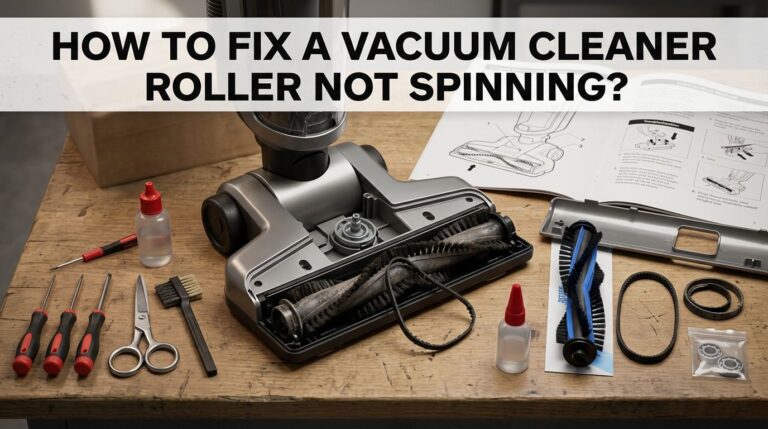
Detach the floor head from the wand. Look for a small latch or coin slot to open the brush bar cover. Slide the brush bar out. Use scissors or a seam ripper to cut tangled hair. Pull the hair away in clumps.
Check the air channel inside the floor head with a flashlight. Clear any dust or debris you find there. Wipe the rollers and end caps clean before you reassemble.
Pros: This fixes weak suction and protects your motor from strain. It also helps the brush bar spin freely again.
Cons: Cutting hair takes patience and a steady hand. You must avoid cutting the bristles themselves. Some heads are tricky to open without the right tool.
Step Six: Check The Wand And Hose For Trapped Objects
The wand and hose hide sudden blockages. Coins, socks, toys, and food scraps get stuck in these long tubes. Detach the wand from the main body and the floor head.
Hold the wand up to a light and look straight through it. A clear tube lets light pass end to end. A dark spot means an object is stuck inside. Drop a coin through the tube to test if anything blocks it.
Use a long, blunt object like a broom handle to push the clog out. Push gently from one end. For flexible hoses, stretch and squeeze the hose to loosen the debris.
Pros: This method clears the most stubborn and sudden blockages. The fix is often instant once you find the object.
Cons: Sharp tools can scratch or pierce the wand. Some clogs sit deep and need extra effort. Always push slowly to avoid damage.
Step Seven: Clean The Cyclone Unit
The cyclone separates dust from the air. Fine dust can pack into the cyclone cones over time. This buildup chokes the airflow and triggers the error.
Remove the bin and cyclone unit as one piece, if your model allows. Look at the small cone shaped holes inside the cyclone. Dust often cakes around these openings. Use a dry microfibre cloth to wipe the surface.
Do not wash the cyclone unless your manual says it is safe. Most cyclone units are not washable. A soft, dry brush helps lift dust from tight spots. A compressed air can also blow dust free.
Pros: A clean cyclone restores full suction and clears hidden clogs that other steps miss.
Cons: The cyclone is delicate and hard to reach. Water can damage the electronics inside some models. Cleaning it takes care and a gentle touch.
Step Eight: Inspect The Inlets And Air Pathways
Air travels through several openings inside your vacuum. Each inlet and seal must stay clear for strong suction. Check the point where the floor head meets the wand. Check where the wand meets the main body.
Hair and lint gather at these joints often. Run your finger or a cloth around each opening. Look for cracks or loose seals that let air escape. A damaged seal weakens suction and can cause a false blockage reading.
Use a flashlight to inspect every connection point. Push out any dust you find with a thin tool. Make sure each part clicks together firmly when you reassemble.
Pros: This step catches small clogs and air leaks that bigger checks skip. It often solves stubborn errors.
Cons: Loose or worn seals may need replacement. You cannot always fix a cracked part at home. This step takes a careful eye and good light.
Step Nine: Reassemble And Test Your Vacuum
Now you put everything back together. Reattach each part in the order you removed it. Make sure the filter is fully dry first. Push the filter into place until it clicks.
Snap the bin, wand, and floor head back onto the body. Each part should lock firmly with no gaps. Loose parts cause air leaks and repeat errors. Insert the battery or plug in the cord.
Switch on the vacuum and listen carefully. Steady, smooth running means the blockage is gone. Pulsing or flashing lights mean a clog still remains.
Pros: A proper reassembly confirms your fix worked and seals the airflow path tightly.
Cons: A part fitted wrong can trigger a new error. You may need to open the vacuum again if it still pulses. Double check every click before you test.
What To Do If The Error Will Not Clear
Sometimes the error stays even after a full clean. A few extra steps can help when the basic fixes fail. First, leave the vacuum off for a few minutes. This lets the motor reset and cool down.
Test the vacuum piece by piece. Run it with just the body, then add the wand, then the floor head. The error returns when you attach the blocked part. This trick pinpoints the exact problem area.
A false error can come from a faulty sensor or a wet filter. Recheck that the filter is fully dry. If the error stays with no real blockage, the sensor may need service.
Pros: This logical testing finds hidden clogs and confirms a sensor fault quickly.
Cons: A sensor fault often needs a technician or warranty service. Home fixes cannot repair internal electronics. You may face a wait for repair.
How To Prevent Airflow Blockage Errors In Future
Prevention saves you time and stress. Regular care keeps your vacuum running with strong suction. Empty the bin after every few cleans, or when it reaches the full line.
Clean the filter at least once a month. Wash washable filters and let them dry fully. Check the brush bar weekly for hair, especially in homes with pets. Cut away tangles before they build up.
Avoid vacuuming large objects, water, or sticky messes. These cause sudden clogs and damage. Store your vacuum in a dry place to protect the filter and electronics.
Pros: A simple care routine stops most errors before they start. It also extends the life of your machine.
Cons: Regular cleaning takes a little time each week. Some people forget the schedule. A reminder on your phone helps you stay on track.
Frequently Asked Questions
Why does my stick vacuum pulse on and off?
Your vacuum pulses to protect its motor. The pulsing means air cannot flow freely through the machine. A full bin, dirty filter, or stuck object usually causes it. Clear each part in order, and the pulsing stops once airflow returns.
Can a wet filter cause a blockage error?
Yes, a wet filter is a very common cause. A damp filter blocks air just like a clogged one. Always dry a washed filter for at least 24 hours. Use the vacuum only when the filter feels completely dry to the touch.
How often should I clean my vacuum filter?
Clean your filter at least once a month. Homes with pets or heavy use may need cleaning more often. A quick tap to remove dust helps between deep washes. Check your manual to confirm if your filter is washable before you rinse it.
What if there is no visible blockage but the error stays?
A false error can come from a wet filter or a faulty sensor. Recheck that every part is dry and clean. Test the vacuum piece by piece to find the issue. If the error stays with no clog, contact the maker or a repair service.
Is it safe to wash the cyclone unit with water?
Most cyclone units are not safe to wash. Water can damage the electronics inside many stick vacuums. Wipe the cyclone with a dry cloth or use compressed air instead. Always check your manual before you put any part under water.
Why does the error come back so quickly after I fix it?
A quick return usually means you missed a clog or used a damp filter. Check the wand, floor head, and cyclone again with a flashlight. Make sure the filter is fully dry. A loose part or air leak at a joint can also cause the error to return.
Final Thoughts
An airflow blockage error feels annoying, but the fix is almost always simple. Work through each part in order, from the bin to the cyclone. Most clogs hide in the filter, brush bar, or wand. A flashlight and a few minutes solve the problem in most cases.
Keep a regular cleaning routine to stop the error from returning. An empty bin, a dry filter, and a tangle free brush bar keep airflow strong. Your stick vacuum will reward your care with steady suction for years to come.

Hi, I’m Grace Bell, the founder of CleanFloorVault.com, where I personally test and review vacuum cleaners to help you find the perfect tool for a spotless home.